Mice in the Walls: How to Tell and How to Get Them Out
Light scratching and scurrying inside walls at night usually means mice. They get in where pipes and wires pass through, and they come out to feed. Trap at those exits, then seal.
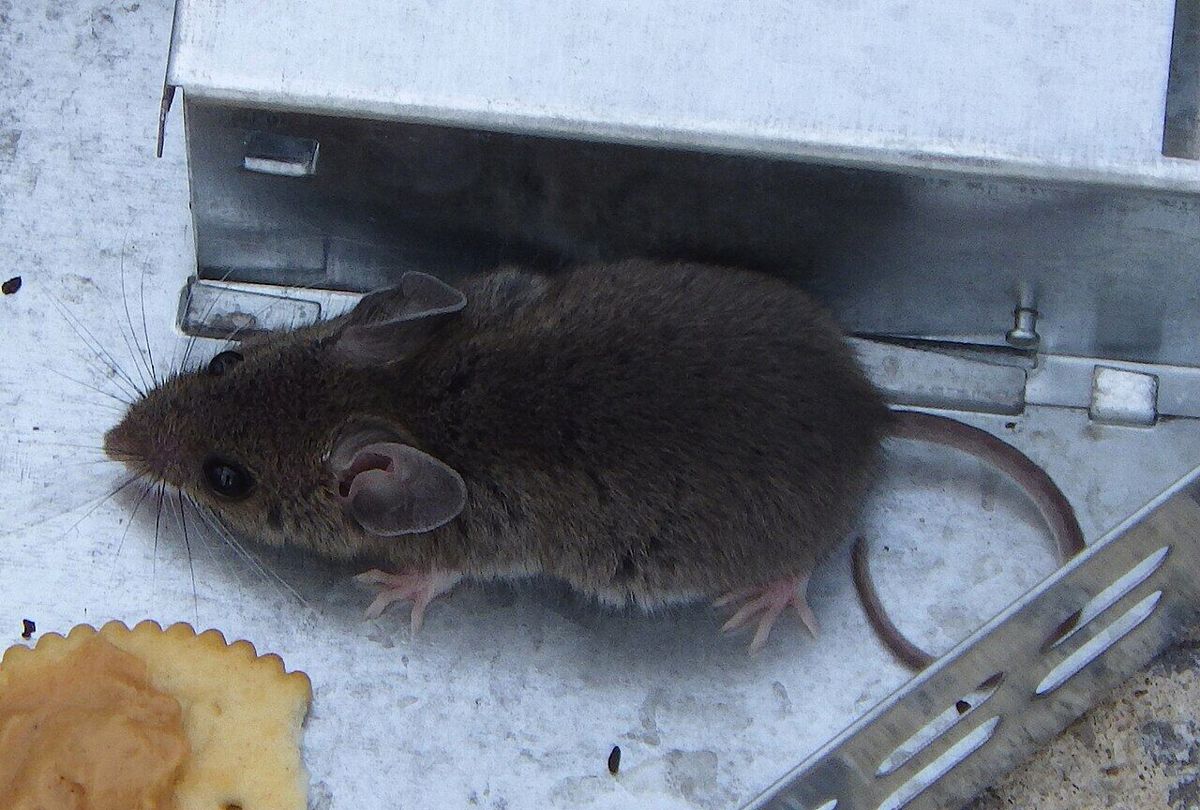
If you hear light scratching, scurrying or soft gnawing inside a wall after dark, it is most likely mice. They use wall cavities as hallways between where they nest and where they eat, which is usually the kitchen.
You do not usually need to cut open the wall. The fix is to find where the mice get in and out of the wall, trap at those points and seal the gaps once activity stops. Here is how to do that in a typical Wichita home.
Signs it is mice in the walls
Mice in walls give themselves away with:
- Light, quick scratching or scurrying, mostly between dusk and dawn
- Noises that move along the wall or between floors
- Droppings under the kitchen sink, behind the stove or along baseboards near the noisy wall
- A musty smell in a cabinet or closet on that wall
- Small holes or chewed edges where pipes come through the wall
Heavier thumping suggests rats. Daytime running in the ceiling suggests squirrels. The noises at night article goes through the differences.
How mice get into walls
Mice enter wall cavities from below or above. The common routes are:
- From a crawl space or basement, up along pipes and wires through holes in the sill plate and floor
- From under kitchen and bathroom sinks, through gaps around supply and drain lines
- From behind the stove, dishwasher or washer, through gaps around gas lines, water lines and vents
- From the attic, down along wiring
- From an attached garage, through the shared wall
Postwar ranch homes over crawl spaces, common across Wichita, give mice a direct path from the crawl space into the walls. Older homes in neighborhoods like Midtown and Riverside often have open wall cavities that run between floors.
Trap where they come out
Mice have to leave the wall to eat. Set snap traps at the exits: under the sink, behind the stove and fridge, at the base of the wall where you see droppings and in closets on that wall. Place them along the wall with the bait end touching it, as the CDC recommends, and use a small dab of peanut butter.
Check traps daily. Keep them out of reach of children and pets, or use enclosed snap traps.
Do not use poison bait for mice in walls. Mice that eat bait often go back into the wall and die there, and the smell can last for weeks.
Want a local rodent technician to look at it? Call to reach an independent provider serving Wichita. Same-day appointments are often available.
Seal once activity stops
When traps stay empty for several days and no new droppings appear, close the openings:
- Pack gaps around pipes under sinks with copper mesh or steel wool and seal over it
- Close gaps behind the stove and dishwasher where lines pass through
- Seal holes in the sill plate from the crawl space or basement
- Add a door sweep to the door between the garage and the house
The CDC notes that mice can fit through a hole the width of a pencil, about 1/4 inch. The steel wool versus copper mesh article covers which to use.
What not to do
A few common moves make wall problems worse:
- Poison bait inside. Mice die in the wall and the smell lasts for weeks.
- Sealing first. Closing the gaps while mice are still inside traps them in the wall, where they chew new holes or die.
- Foam alone. Mice chew through spray foam quickly.
- Banging on the wall. It quiets them for a minute and teaches you nothing about where they are.
Work in order instead: trap at the exits, wait until activity stops, then seal.
When to call for help
Call a provider if the noises continue after a couple of weeks, if you hear chewing near an outlet or switch, if you smell something dead or if you cannot find where they get in. A technician can check the crawl space, attic and outside of the house for the entry points.
The mice in walls removal page explains what that visit covers.
Want a local rodent technician to look at it? Call to reach an independent provider serving Wichita. Same-day appointments are often available.
Questions Wichita readers ask
Will mice in the walls go away on their own?
Usually not. Walls give mice shelter close to food. They stay until they are trapped and the entry points are closed.
Do I need to cut a hole in the wall?
Rarely. Trapping where mice exit the wall and sealing the gaps works in most homes.
Why do I hear mice in the walls in fall?
In Wichita, field mice move toward houses when crops are harvested and nights get cold, and walls are an easy place to settle.
Can mice chew wires inside walls?
Yes. If you hear chewing near an outlet or switch, have an electrician check it.
Should I use poison for mice in walls?
No. Poisoned mice often die inside the wall and cause odor that can last for weeks. Trap instead.
Sources
This page is general information, not legal or medical advice. Rules change, so check the linked sources for the current version.
Keep reading
Rodent Noises at Night: What You Are Hearing and Where
Light scratching at night usually means mice. Heavier thumps point to rats. Daytime running in the attic is usually squirrels. Here is how to tell what you are hearing.
Dead Rodent Smell: How to Find It and Get Rid of It
The smell builds over a few days and can last weeks. Follow the smell and flies, check the usual spots, remove the rodent safely and fix whatever let it in.
How Small a Hole Can a Mouse Fit Through?
The CDC says mice can fit through a hole the width of a pencil, about 1/4 inch. Rats need about 1/2 inch. Here is where those gaps hide in Wichita homes.