Garage and Basement Rodent Control in Wichita, KS
Droppings on the garage floor, chewed bags of birdseed or a nest in the basement. How to clear it out and keep it clear.
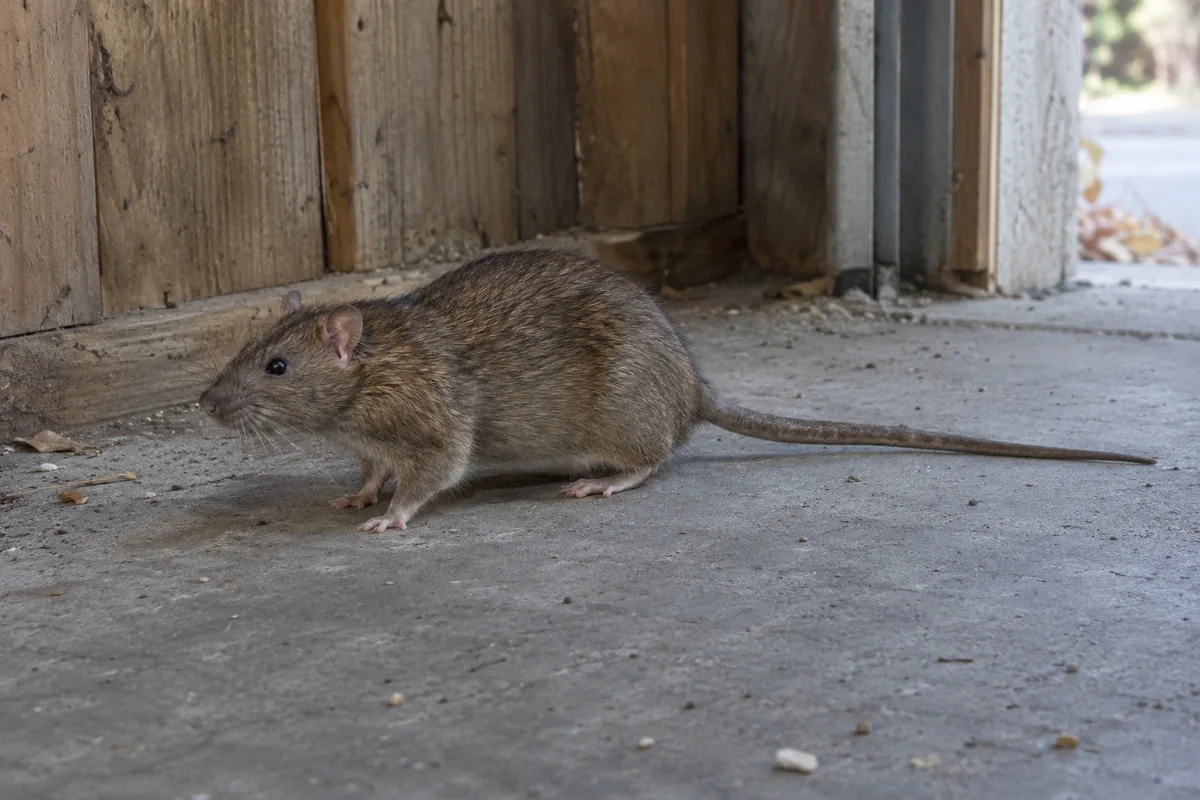
Garages and basements are where most rodent problems start. Garages hold the things rodents want: birdseed, grass seed, pet food, cardboard boxes and quiet corners. Basements stay cool in summer and warm in winter, with pipes and ducts running into the rest of the house.
The garage door is the most common way in. A worn bottom seal, a gap at the side stops or a door left open on a cold evening is all it takes. From the garage, mice and rats move into the house along pipes, under the door to the house or through gaps where the garage wall meets the living space.
A garage or basement job focuses on removing the rodents, cutting off food and nesting spots, and sealing the openings. If you park in the garage, ask about rodents in car engines, since chewed wiring is common.
Urgent rodent help: if a rat is in the garage and the door to the house does not seal well, call to ask about the next available visit.
What a thorough job includes
- Inspection of both spacesDroppings, nests, gnawing and runways in the garage and basement, and the paths between them and the house.
- Trap placementTraps along walls, behind shelves and near stored food, set where kids and pets cannot reach them.
- Garage door workChecking the bottom seal, side seals and threshold, and recommending a rodent-resistant seal if needed.
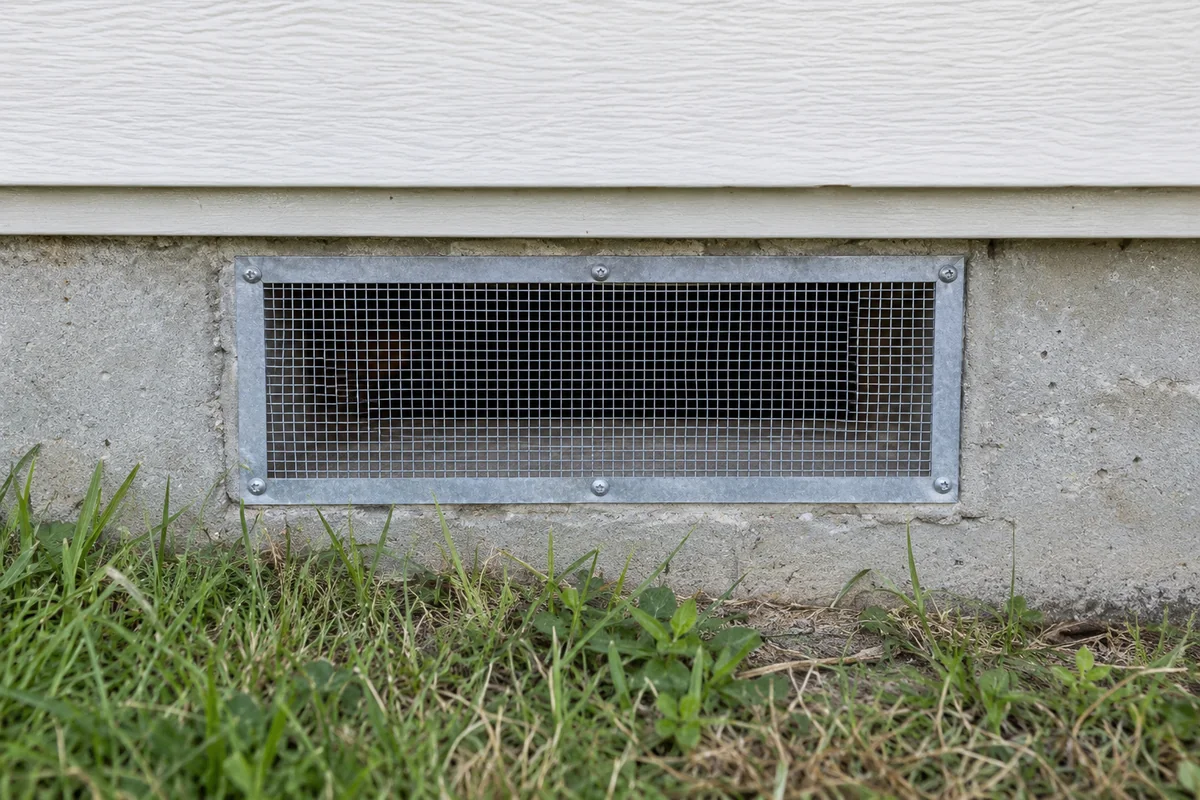
- Sealing utility gapsClosing gaps around water lines, gas lines, dryer vents and wiring where they enter.
- Storage adviceMoving seed, feed and pet food into metal or hard plastic bins and getting boxes off the floor.
How it usually goes, step by step
- Inspection. The technician looks for activity and entry points in the garage, basement and the door between the garage and house.
- Plan and price. You get a plan for trapping and sealing, with costs.
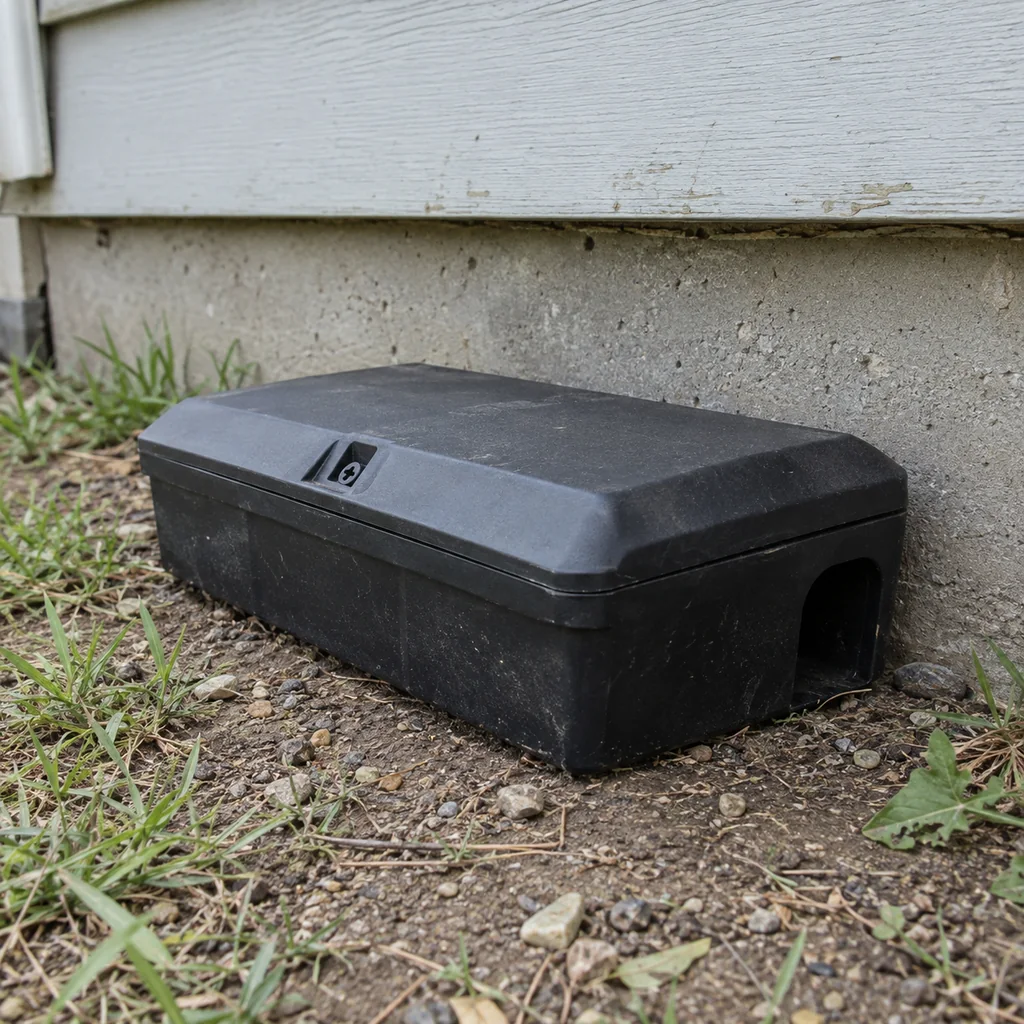
- Trapping. Traps go along walls and near nests. Outdoor bait stations may be placed near the garage if rats are coming from the yard.
- Sealing. Garage door seals, the door to the house and utility gaps are fixed.
- Follow-up. Traps are checked and sealing is reviewed on a return visit.
Wichita garages and basements
Many Wichita homes in older neighborhoods have detached garages along alleys, which give rats cover and easy access from neighboring yards. Newer homes in the suburbs usually have attached garages, where a mouse that gets in has a short trip into the house.
Basements are common in older homes in Riverside, Midtown, College Hill and Crown Heights. Their stone, brick or block foundations can have gaps in the mortar, old window wells full of leaves and openings where old utility lines were removed.
Wichita's fall harvest and first cold snaps push mice into garages first. Car owners sometimes find nests under the hood or chewed wiring after a vehicle sits for a few days in late fall.
What you can do today
- Keep the garage door closed, especially in the evening.
- Stand inside the closed garage in daylight and look for light at the bottom and sides.
- Store birdseed, grass seed and pet food in metal or hard plastic bins with lids.
- Get boxes off the floor and onto metal shelves, away from the walls.
- Add a door sweep to the door between the garage and the house.
Questions to ask when you call
Your call is connected with an independent provider. These questions help you get clear answers before anyone comes out.
- Will you check the garage door seals as part of the visit?
- Can you seal the door between the garage and the house?
- Do you check the basement window wells and foundation?
- What will you use near my car and stored items?
- How many visits do you expect?
Call to confirm service at your address. Prices, schedules and any guarantee come from the provider, so ask for the details on the call.
Garage and Basement Rodent Control questions from Wichita callers
How do mice get into a closed garage?
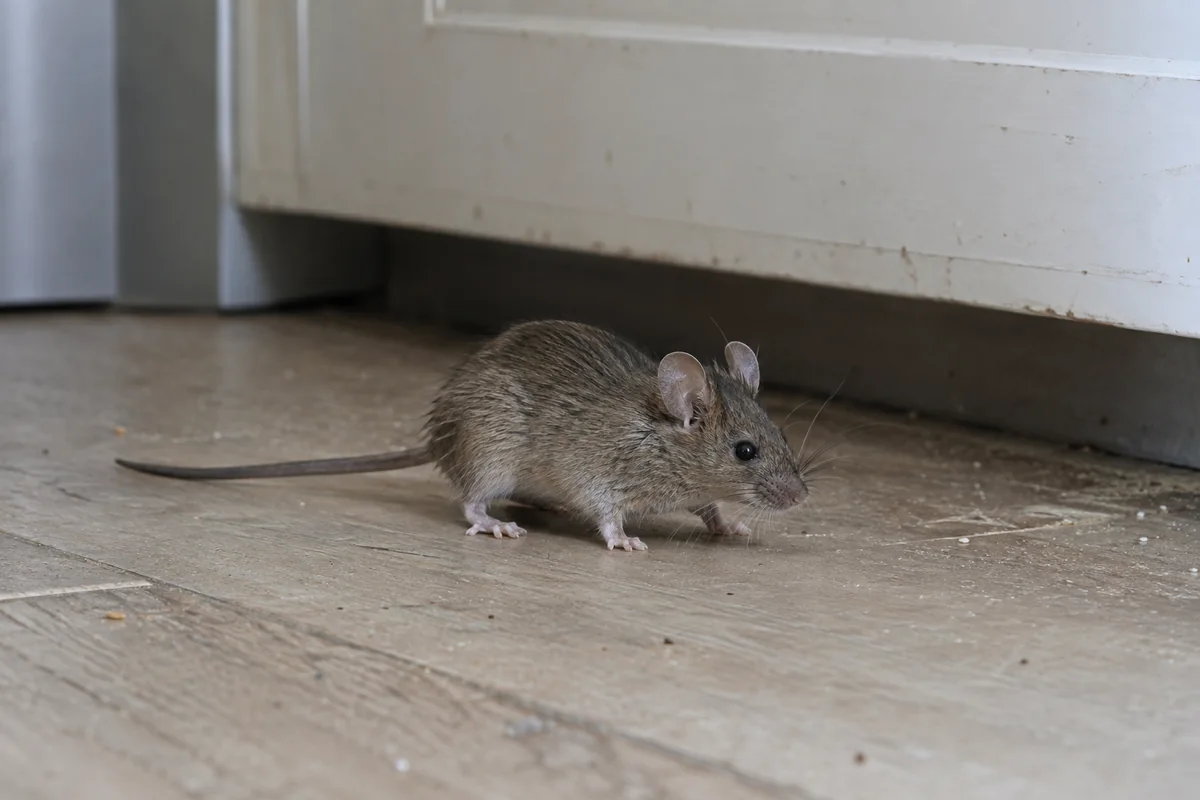
Through a worn bottom seal, gaps at the side stops, holes where utility lines enter or a gap under the side door. A mouse needs only about a 1/4 inch gap.
Can rodents damage my car?
Yes. Rodents nest in engine bays and air filter housings and chew wiring. Cars parked for days at a time in fall and winter are most at risk.
Are rats in the basement coming from the sewer?
Sometimes rats use sewer lines, especially with broken or open floor drains, but most basement rodents come in through gaps in the foundation, windows or utility entries.
Should I put bait in the garage?
Indoor bait in a garage is risky with kids, pets and cars around, and baited rodents can die in walls. Traps and outdoor locked stations are usually a better fit.
What garage door seal keeps rodents out?
Look for bottom seals and side seals designed to resist chewing, often with metal or reinforced material. A rubber seal alone wears and can be chewed through.
Related services
Rodent Exclusion
Closing the gaps rats and mice use to get in. Common spots, the right materials and how sealing fits with trapping.
Mouse Control
Small droppings in drawers, chewed food boxes or light scratching in the walls. Learn why trapping works best with sealing.
Rat Control
Burrows by the foundation, big droppings in the garage or thumping in the attic. Learn the signs and what a good rat job covers.
Related reading
Areas around Wichita
Calls come from Wichita neighborhoods and nearby cities such as Derby, Andover, Bel Aire, Haysville and Maize. See the service areas page for local property checks, and call to confirm service at your address.