Rodent Monitoring Plans in Wichita, KS
Scheduled visits to check stations, traps and seals, so a new problem gets caught early.
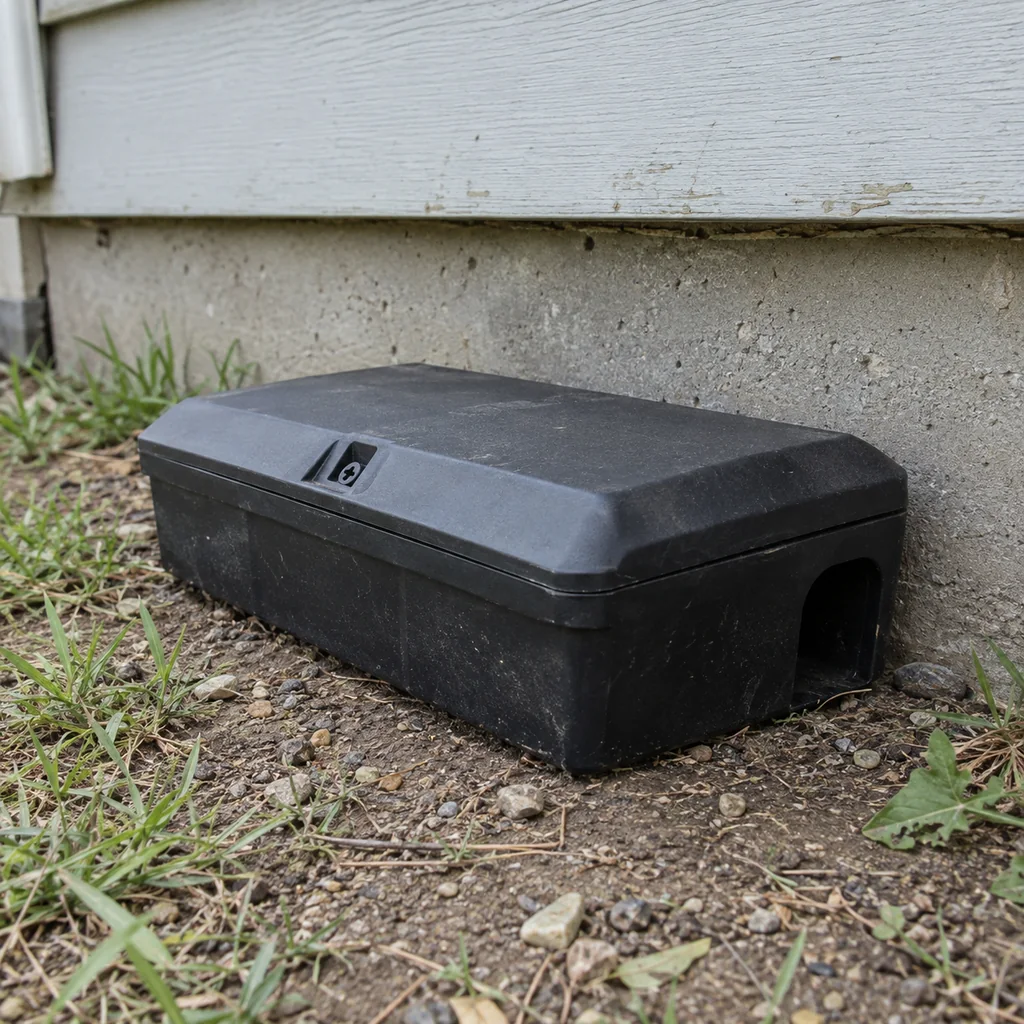
A monitoring plan is a set of scheduled visits after the main rodent problem is solved. The technician checks bait stations and traps, looks for new droppings or gnawing, and checks that sealed spots are holding.
Plans make the most sense for properties with ongoing pressure: homes backing up to fields or creeks, rentals with turnover, restaurants and food businesses, warehouses and places that store feed or seed. For a single-family home where sealing went well, a yearly check before fall may be enough.
Ask what each visit includes, how often visits happen and how long the agreement runs. A good plan comes with a written record of each visit. Restaurants should also read the restaurant rodent rules guide.
Urgent rodent help: if you see new activity between visits, call to ask about the next available visit rather than waiting for the next scheduled check.
What a thorough job includes
- Station and trap checksEvery station and trap is opened, checked, cleaned and refilled or reset as needed.
- Activity logA record of what was found at each station on each visit, so trends show up.
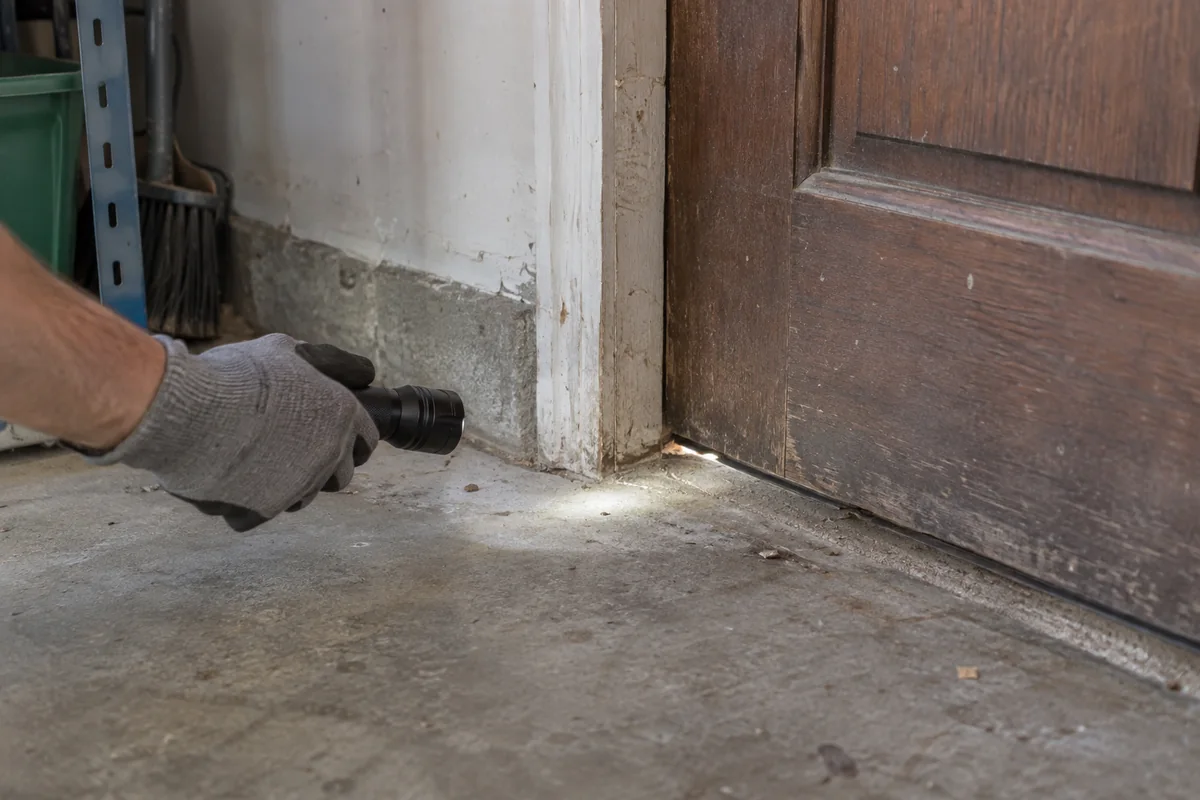
- Exclusion reviewSealed spots, door sweeps and garage seals are checked for new chewing or wear.
- Sanitation notesNotes on trash, storage and landscaping that could draw rodents back.
- A clear contractVisit frequency, price, term and how to cancel, in writing.
How it usually goes, step by step
- Initial service. The active problem is handled with trapping and sealing first.
- Station layout. Stations and monitoring traps are placed and mapped.
- Scheduled visits. The technician returns monthly, quarterly or on the agreed schedule.
- Reports. Each visit produces a short written record.
- Adjustments. If activity rises, the plan shifts to treatment and more sealing.
When a plan fits a Wichita property
Wichita has a strong seasonal pattern. Mouse pressure rises in fall as crops come out of the fields around the metro and nights get cold. A plan that adds a visit in September or October can catch new entry points before mice settle in.
Properties next to the Arkansas River, the Little Arkansas, creeks, drainage channels, rail lines or farmland tend to see steady rat and mouse pressure all year. Food businesses face routine inspections by the Kansas Department of Agriculture, and a visit log helps show that pests are controlled.
For a typical house where trapping and sealing worked, a plan is optional. Ask the technician whether they recommend one and why.
Landlords with several rentals around the city often use a plan to catch problems between tenants. An empty unit with the water on and a few crumbs left behind can host mice for weeks before anyone notices. A check at turnover, plus a fall visit, keeps small problems from spreading to the next tenant or the unit next door.
What you can do today
- Keep a simple log of any droppings or noises between visits.
- Do not move or open bait stations yourself.
- Tell the technician about new construction, storms or changes to the yard.
- Check garage door seals and door sweeps each fall.
- Keep landscaping trimmed back from the foundation.
Questions to ask when you call
Your call is connected with an independent provider. These questions help you get clear answers before anyone comes out.
- How often are visits, and what does each visit include?
- How long is the agreement, and how do I cancel?
- Will I get a written report after each visit?
- Are extra visits included if I see activity between scheduled checks?
- What happens to the stations if I end the plan?
Call to confirm service at your address. Prices, schedules and any guarantee come from the provider, so ask for the details on the call.
Rodent Monitoring Plans questions from Wichita callers
Do I need a monthly plan for my house?
Not always. Many homes do fine with a fall check after a good sealing job. Plans fit homes with steady pressure, rentals and businesses.
What does a monitoring plan cost?
Prices vary by property size, number of stations and visit frequency. Ask for a written price and term before signing.
Are bait stations safe on a monitoring plan?
Stations should be locked, tamper-resistant and anchored, and placed where kids, pets and wildlife cannot get to the bait.
Can I cancel anytime?
It depends on the contract. Read the terms and ask about cancellation before you sign.
Who owns the bait stations on a plan?
Some providers leave stations in place as their property and remove them if the plan ends. Others sell them to you. Ask before the plan starts so there are no surprises.
Do restaurants need a pest control contract in Kansas?
The Kansas Food Code requires food establishments to control pests. A provider's visit records are a common way to show that. Check with the Kansas Department of Agriculture for specifics.
Related services
Commercial Rodent Control
Offices, stores, warehouses and shops. Exterior stations, door and dock sealing and service records.
Restaurant Rodent Control
Kitchens, storage rooms and back doors. Pest service built around food safety inspections.
Rodent Inspection
A top-to-bottom check for droppings, nests, burrows and entry points, so you know what you have before anyone sets a trap.
Related reading
Areas around Wichita
Calls come from Wichita neighborhoods and nearby cities such as Derby, Andover, Bel Aire, Haysville and Maize. See the service areas page for local property checks, and call to confirm service at your address.