Why Rats and Mice Come Back After the Exterminator
Rodents come back when the gaps stay open, food stays available or the source next door is untouched. Bait-only service is the most common culprit.
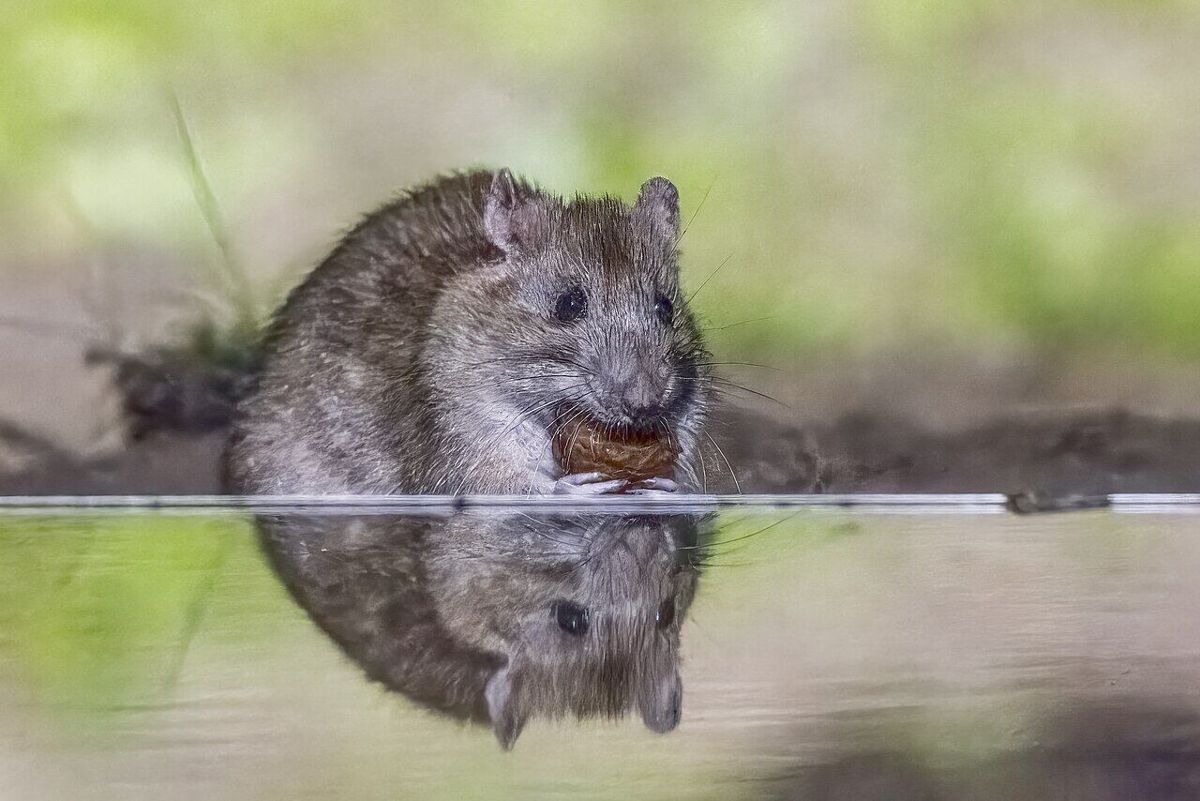
When rats or mice come back a few weeks or months after treatment, it is almost always for one of a few reasons: the gaps they used were never sealed, food and shelter are still there, rodents are moving in from a neighboring property, or the service was bait-only and never addressed how they got in.
Knowing which one applies tells you what to ask for next. Here is how to work through it.
The gaps were never sealed
This is the most common reason. Trapping and baiting remove the rodents that are inside at the time. If the openings they used stay open, new rodents follow the same paths. Mice can use a gap the width of a pencil. Rats need about half an inch.
Ask your provider what was sealed, with what materials, and where. If the answer is nothing, or foam only, that is likely the problem. See rodent exclusion.
Food and shelter are still there
Rodents return to places that feed and shelter them. Check for:
- Birdseed under feeders and seed stored in bags in the garage
- Pet food left out overnight
- Trash bags outside carts or lids that do not close
- Woodpiles, clutter and dense ground cover along the house
- Fallen fruit and garden produce
Removing these makes your property less attractive than the one next door.
Want a local rodent technician to look at it? Call to reach an independent provider serving Wichita. Same-day appointments are often available.
The source is next door
Rats travel along fences, alleys and drainage corridors. If a neighboring property has piled trash, junk or an overgrown lot, rats can keep coming from there. In Wichita, the city's housing and nuisance inspectors handle those conditions. The reporting guide explains how.
In apartments and duplexes, mice move between units through shared walls. Treating one unit without treating the building rarely holds. See apartment rodent control.
Bait-only service
Some services place bait stations and leave. Bait can lower the number of rats, but it does not stop new ones from coming in, and baited rodents can die in walls. A service that never inspects for entry points or seals them is treating symptoms.
Ask for an inspection that includes the outside of the house, a list of entry points and a plan to close them. The license check guide also lists red flags when hiring.
New rodents or leftovers
It helps to know whether you are seeing survivors of the first problem or a new wave. Signs of leftovers:
- Activity in the same spots as before, within a week or two of treatment
- Droppings that keep appearing in a room that was supposedly cleared
- Burrows that were never filled and still look used
Signs of new rodents:
- Activity in new spots, often near a gap that was missed
- A gap of a few weeks or months with nothing, then a sudden return in fall
- New burrows in a different part of the yard
Leftovers usually mean more trapping was needed. New arrivals usually mean an entry point is still open.
What to ask on a return visit
When you call the provider back, ask:
- Which entry points were sealed last time, and can you check them now?
- Did you find any new gaps?
- Are the burrows in the yard still active?
- Is this covered by any guarantee we agreed to, or is it a new charge?
- What would you change about the plan?
Get the answers in writing if a new charge is involved.
Seasonal pressure
In Wichita, mice that seemed gone in summer often come back in October and November. Fields around the metro are harvested, nights get cold and field mice move toward buildings. A gap that was not a problem in July becomes one in October.
That is why a fall check of garage seals, door sweeps and utility entries is a good habit, even after a successful job. The seasonal guide has a full checklist.
Want a local rodent technician to look at it? Call to reach an independent provider serving Wichita. Same-day appointments are often available.
Questions Wichita readers ask
Why did mice come back a month after treatment?
Usually because the gaps they used were not sealed, or food and shelter are still available. New mice follow the same paths in.
Should the exterminator come back for free?
That depends on what you agreed to. Ask about follow-up visits and any guarantee before work starts, and get the terms in writing.
Can neighbors cause my rat problem?
Yes. Rats travel between yards along fences and alleys. Sealing your house and reporting problem properties to the city both help.
Is bait enough to get rid of rats?
Bait can reduce numbers, but it does not stop new rats from coming in. Sealing entry points is what keeps them out.
Sources
This page is general information, not legal or medical advice. Rules change, so check the linked sources for the current version.
Keep reading
How to Get Rid of Rats in Wichita
Wichita rats are Norway rats that burrow near the house. Getting rid of them means taking away food and cover, trapping along their runways and sealing the gaps they use.
Seasonal Rodent Problems in Wichita: A Year-Round Guide
Fall brings field mice in from the harvest. Winter keeps them in garages and walls. Spring brings burrows and nests. Summer is the time to seal. Here is what to do each season.
Steel Wool vs. Copper Mesh for Sealing Mouse Holes
Both work for small gaps when packed tight and sealed in place. Steel wool is cheap and fine indoors. Copper mesh lasts longer outdoors and in damp spots.