How to Get Rid of Rats in Wichita
Wichita rats are Norway rats that burrow near the house. Getting rid of them means taking away food and cover, trapping along their runways and sealing the gaps they use.
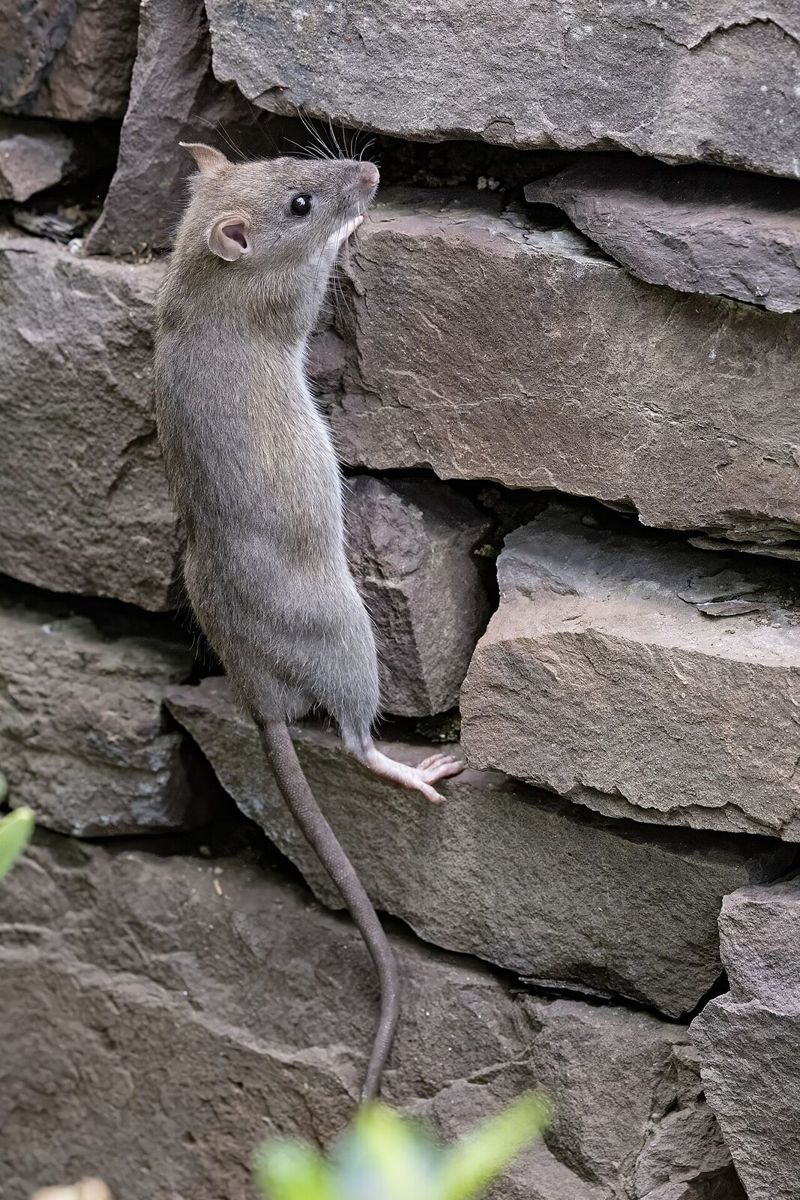
To get rid of rats around a Wichita home, you need to do four things in order: confirm they are rats, take away the food and cover that keep them nearby, trap them where they travel and seal the gaps they use to get into the garage, crawl space or house. Bait alone rarely finishes the job, and sealing too early can trap rats inside.
The rat you are dealing with is very likely a Norway rat. Norway rats dig burrows in the ground, travel along fences and walls and come inside low on a building. That shapes everything below.
Confirm it is rats
Rats and mice need different traps and different sealing. Look for:
- Droppings about 1/2 to 3/4 inch long, blunt at the ends, often in groups along walls
- Burrows 2 to 4 inches wide with smooth, packed edges under slabs, sheds, decks and dense shrubs
- Greasy rub marks along walls and the edges of holes
- Heavy thumping or scratching at night, usually low in the house or garage
- Gnawing on wood, plastic, wiring, feed bags or trash carts
Smaller droppings the size of a rice grain point to mice. The rat droppings guide has more detail.
Take away food and cover
Rats stay where they can eat and hide. In Wichita yards, the usual food sources are birdseed, pet food, trash and fallen fruit. The usual cover is woodpiles, sheds on bare ground, dense ground cover and clutter along fences.
- Clean up spilled birdseed nightly or take feeders down for a few weeks
- Feed pets indoors or pick up bowls before dark
- Keep trash bags inside carts with closed lids
- Stack firewood on a rack, off the ground and away from the house
- Clear a strip along the foundation so you can see burrows
Wichita's trash, weed and nuisance rules also help when the problem starts on a neighboring lot. See the trash and yard rules guide.
Trap along the runways
The CDC recommends snap traps to reduce rodent populations around the home. For rats, use rat-size snap traps, not mouse traps. Place them where you see droppings, rub marks or burrows, along walls and in enclosed spaces, with the bait end touching the wall so the trap and wall form a T. A small amount of chunky peanut butter works as bait.
Check traps daily and remove dead rats right away using gloves. Keep traps out of reach of kids and pets, or put them inside a covered box with rat-size openings. The CDC advises against glue traps and live traps, because frightened rodents urinate and raise the risk of illness.
Rats are wary of new objects. Some people leave traps unset for a day or two so rats get used to them, then set them.
Want a local rodent technician to look at it? Call to reach an independent provider serving Wichita. Same-day appointments are often available.
Seal the gaps rats use
Once trapping has knocked the numbers down, close the openings. Rats can fit through a gap about 1/2 inch wide. In Wichita homes, the common ones are:
- Worn garage door seals and gaps at the side stops
- Holes where water, gas, cable and AC lines enter
- Torn crawl-space vent screens and loose access doors
- Gaps under slabs, steps and patios that have settled
- Openings in old stone or brick foundations
Use hardware cloth, sheet metal, cement or mortar. Rats chew through foam, rubber and thin plastic. The rodent exclusion page covers materials in more detail.
Where bait fits
Bait has a place, but it comes with tradeoffs. Rats that eat bait can die in walls or crawl spaces and cause odor. Loose bait can poison pets and wildlife. EPA rules require consumer baits to be sold with bait stations, in block or paste form, and the strongest anticoagulants are limited to professionals.
If bait is used, it belongs in locked, tamper-resistant stations outside, along the walls rats travel, placed where kids, pets and wildlife cannot reach it. Indoors, trapping is usually the better choice.
When to call for help
Call a provider if you find active burrows next to the foundation, rats inside the living space, chewed wiring, or if trapping for a week or two has not slowed things down. A technician can find burrow systems and entry points you may miss, and seal them with the right materials.
When you call, ask whether sealing and follow-up visits are included. The rat control page lists what a thorough job covers.
Want a local rodent technician to look at it? Call to reach an independent provider serving Wichita. Same-day appointments are often available.
Questions Wichita readers ask
What attracts rats to a Wichita yard?
Food and cover. Birdseed, pet food, trash and fallen fruit feed them. Woodpiles, sheds on the ground, dense ground cover and clutter give them places to burrow.
How long does it take to get rid of rats?
A small problem can settle in a couple of weeks. Burrows across the yard and rats indoors can take a month or more with trapping, sealing and follow-up.
Should I use rat poison?
Use bait only in locked, tamper-resistant stations outdoors, if at all. Poisoned rats can die in walls, and loose bait is a danger to pets and wildlife.
Do rats leave on their own?
Rats leave when food and shelter are gone. Removing those, trapping and sealing gaps is what makes them move on.
Sources
- CDC: How to Trap Up to Reduce Rodent Populations
- CDC: How to Seal Up to Prevent Rodent Infestations
- U.S. EPA: Rodent Control Pesticide Safety Review
This page is general information, not legal or medical advice. Rules change, so check the linked sources for the current version.
Keep reading
Rat Droppings: How to Identify Them and What to Do
Rat droppings are about 1/2 to 3/4 inch long with blunt ends. Here is how to tell them from mouse droppings, judge whether they are fresh and clean them up safely.
Why Rats and Mice Come Back After the Exterminator
Rodents come back when the gaps stay open, food stays available or the source next door is untouched. Bait-only service is the most common culprit.
The Best Rat and Mouse Traps and How to Use Them
Snap traps sized for the animal, set along walls with the bait end touching the wall, are what the CDC recommends. Here is how to choose and place them.