Rat Burrow Treatment in Wichita, KS
Holes along the foundation, under the shed or by the fence. How active burrows get treated and closed.
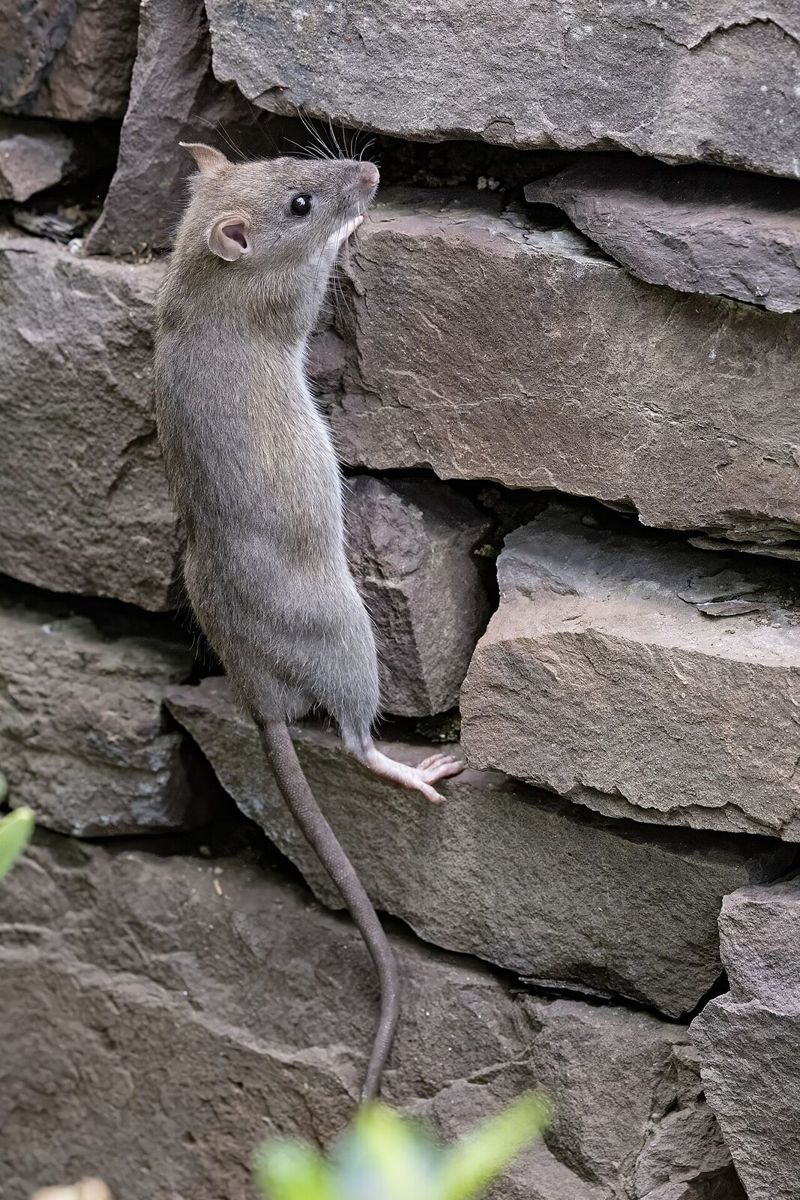
Norway rats live in burrows. They dig under slabs, sheds, decks, dog runs, woodpiles and thick shrubs, and a single burrow system can have several openings. If you see holes about 2 to 4 inches wide with packed, smooth edges near your house, rats are likely living close by.
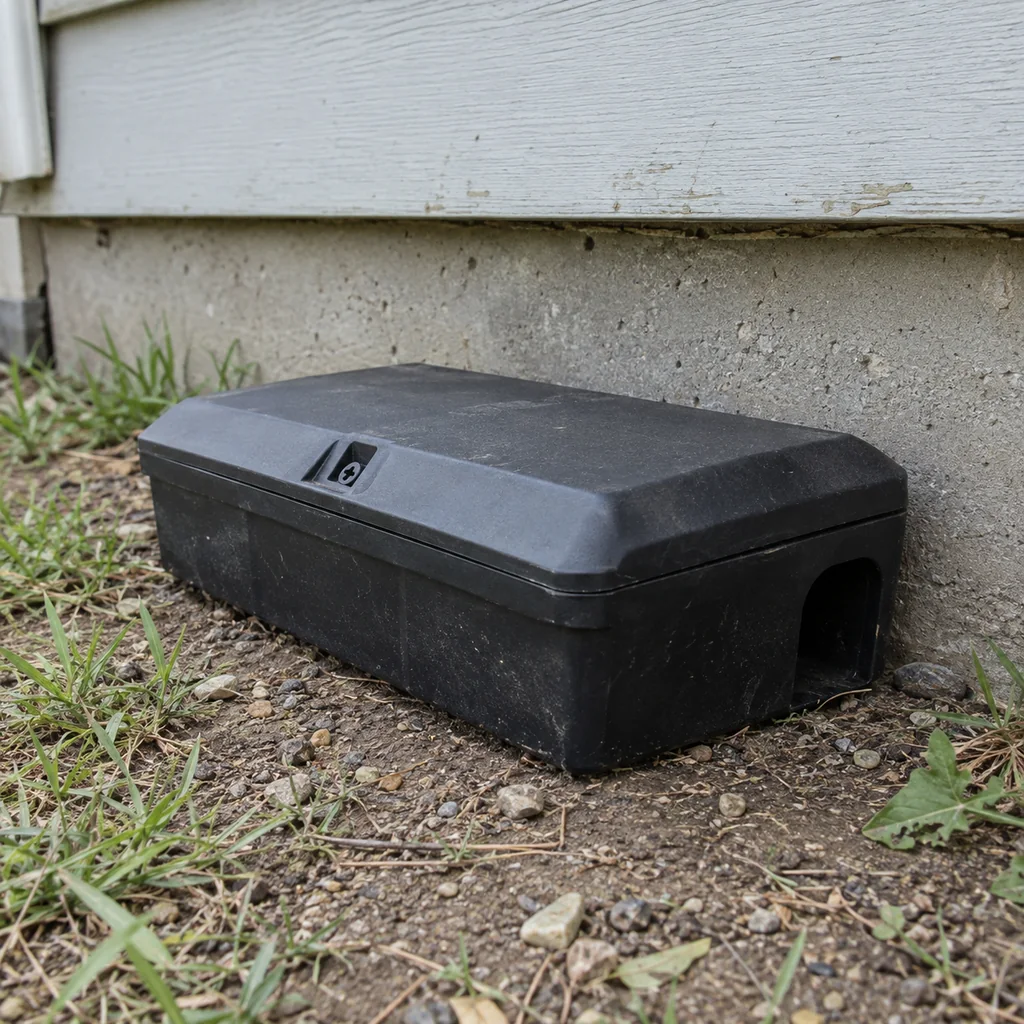
Burrow treatment means confirming which holes are active, removing the rats that use them and closing the burrows so they cannot be reused. Methods vary. Some technicians use bait in locked stations along the runways, some use traps at the burrow mouth, and some use burrow treatments approved for that use. Ask which method they plan and why.
Burrows are usually only part of the picture. Rats in the yard often have a way into the garage, crawl space or shed. Pair burrow work with rat control and rodent exclusion for a lasting fix.
Urgent rodent help: if burrows are next to the foundation and you see rats near doors or the garage, call to ask about the next available visit.
What a thorough job includes
- Confirming active burrowsLoose soil, fresh digging and smooth edges mean a burrow is in use. Some technicians lightly block openings and check them the next day.
- Mapping the systemFollowing runways between burrows, food sources and the house shows where the rats spend their time.
- Treatment matched to the siteTraps, locked bait stations or labeled burrow treatments, placed so kids, pets and wildlife cannot reach them.
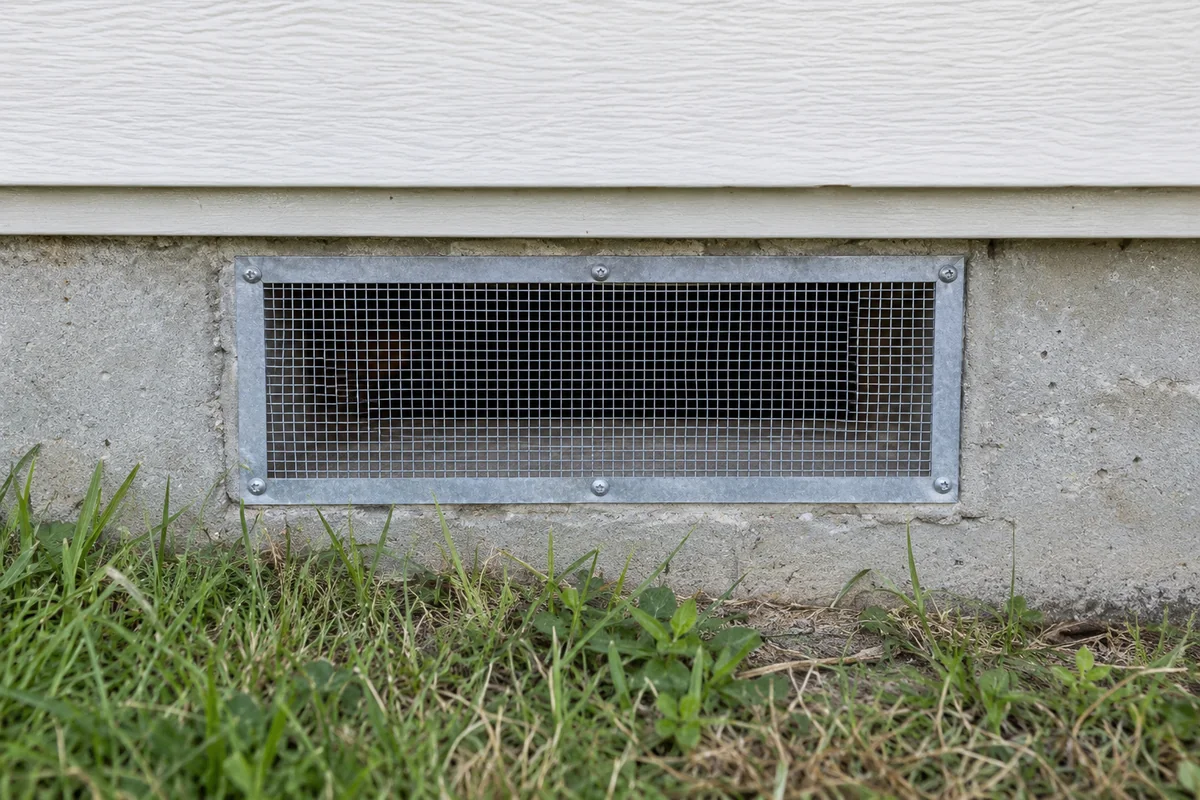
- Closing burrowsOnce inactive, burrows are collapsed and filled, and slab edges may get a buried barrier of hardware cloth.
- Fixing what drew themAdvice on bird feeders, pet food, compost, woodpiles and dense ground cover.
How it usually goes, step by step
- Yard inspection. The technician walks the foundation, fence lines, sheds and slabs looking for burrows and runways.
- Activity check. Openings are marked or lightly plugged to see which are reopened.
- Treatment. Active burrows are treated with the chosen method.
- Follow-up. A return visit checks for reopened burrows and new digging.
- Close and prevent. Inactive burrows are filled, and slab edges and shed bases can be protected with an L-shaped hardware cloth barrier.
Why burrows show up in Wichita yards
Wichita sits on river bottomland where the Arkansas and Little Arkansas rivers meet, and many yards have soft, easy-to-dig soil. Norway rats also follow creeks, drainage ditches, rail lines and alleys, so yards that back up to those corridors see more digging.
The places rats burrow most often in Wichita yards are under concrete slabs and patios that have settled, under sheds sitting on the ground, along privacy fences, beside AC pads and under dense ground covers like ivy and juniper. Bird feeders and pet food left on patios give them a reason to stay.
After a heavy rain, burrows near low spots may flood and rats may move, which is why new holes can appear overnight in spring.
What you can do today
- Take down bird feeders for a few weeks, or use a tray and clean up seed every evening.
- Bring pet food and water bowls inside at night.
- Move woodpiles up off the ground and away from the fence and house.
- Cut back ground cover so you can see the soil along the foundation.
- Do not pour gasoline, bleach or other chemicals into burrows. It is unsafe and can be illegal.
Questions to ask when you call
Your call is connected with an independent provider. These questions help you get clear answers before anyone comes out.
- How will you tell which burrows are active?
- What method will you use, and is it safe around my dog?
- How many follow-up visits are included?
- Will you fill the burrows when they are inactive?
- Can you put a barrier under my shed or slab edge?
Call to confirm service at your address. Prices, schedules and any guarantee come from the provider, so ask for the details on the call.
Rat Burrow Treatment questions from Wichita callers
How do I know a hole is a rat burrow?
Rat burrows are usually 2 to 4 inches across with smooth, packed edges and a worn path leading to them. Fresh dirt fanned out at the opening is another sign.
Can I just fill the holes?
Filling active burrows without removing the rats usually means they dig back out nearby. Treat first, then fill once the burrows stay closed.
Is burrow treatment safe for pets?
It can be, if the method is chosen with pets in mind. Ask the technician what they will use and how it is kept away from dogs and cats.
Why are rats digging under my shed?
Sheds on the ground give rats dry, protected cover. A buried hardware cloth skirt around the base helps keep them out.
Do rat burrows mean rats are in my house?
Not always, but burrows near the foundation mean rats are close. Have the garage, crawl space and utility entries checked.
Related services
Rat Control
Burrows by the foundation, big droppings in the garage or thumping in the attic. Learn the signs and what a good rat job covers.
Rodent Exclusion
Closing the gaps rats and mice use to get in. Common spots, the right materials and how sealing fits with trapping.
Rodent Monitoring Plans
Scheduled visits to check stations, traps and seals, so a new problem gets caught early.
Related reading
Areas around Wichita
Calls come from Wichita neighborhoods and nearby cities such as Derby, Andover, Bel Aire, Haysville and Maize. See the service areas page for local property checks, and call to confirm service at your address.