Mice in Walls Removal in Wichita, KS
Scratching and scurrying in the walls after dark. How mice get into wall voids and how they get out for good.
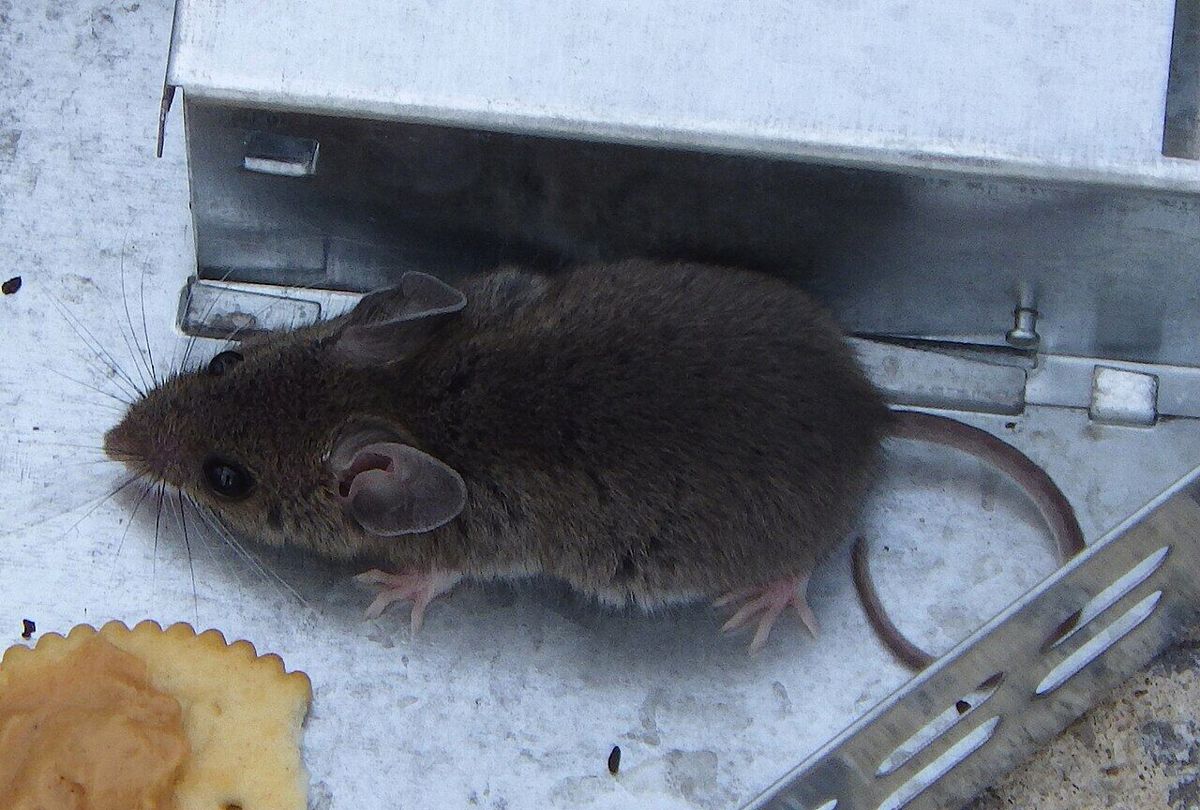
Scratching, scurrying or light gnawing inside a wall after dark is one of the most common reasons people call about mice. Mice use wall voids as hallways between where they nest and where they find food, usually the kitchen.
They get into walls where pipes, wires and ducts pass through the sill plate, from crawl spaces and basements, through gaps around plumbing under sinks and from the attic down along wiring. Once inside, they can travel between floors.
Getting mice out of walls rarely means cutting into drywall. The technician finds where the mice enter and exit the wall, traps along those spots and seals the gaps once activity stops. The noises at night article can help you tell mice from other animals.
Urgent rodent help: if you hear chewing near wiring or an outlet, call to ask about the next available visit and have an electrician check it.
What a thorough job includes
- Tracing the routeFinding where mice enter the wall, where they come out to feed and where they nest.
- Trapping at exit pointsTraps placed under sinks, behind appliances and near openings where mice leave the wall.
- Checking the sourceInspecting the crawl space, basement and attic for the way into the walls.
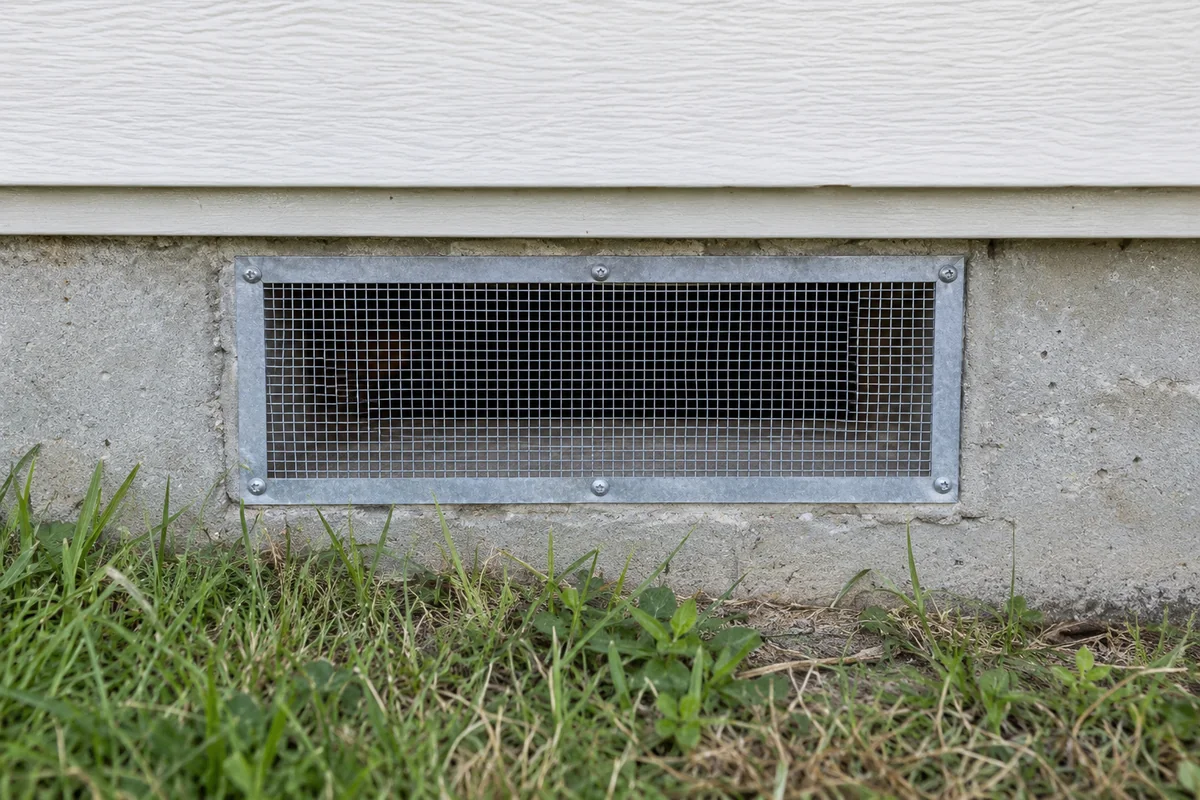
- Sealing pipe and wire gapsClosing gaps under sinks, behind the stove and dishwasher, and at the sill plate.
- Odor follow-upIf a mouse dies inside the wall, help finding and removing it.
How it usually goes, step by step
- Listen and look. You describe where and when you hear noises. The technician looks for droppings and rub marks near those walls.
- Find access points. The technician checks under sinks, behind appliances and in the crawl space, basement and attic.
- Trap. Traps go at the points where mice come out of the wall.
- Seal. Openings into the wall void are closed once activity drops.
- Recheck. A follow-up confirms the noises have stopped and traps are clear.
Why Wichita walls fill with mice in fall
The noises often start in October and November in Wichita, when nights get cold and field mice move toward houses. Homes near open land on the edges of Maize, Goddard, Valley Center and Derby hear it first, but older central neighborhoods get it too.
Older Wichita houses with plaster walls, balloon-style framing or many decades of plumbing changes have more open paths inside the walls. Postwar ranch homes over crawl spaces let mice climb straight from the crawl space into wall cavities along pipes.
Do not use poison bait to deal with mice in walls. Mice that eat it often die inside the wall, and the smell can last for weeks.
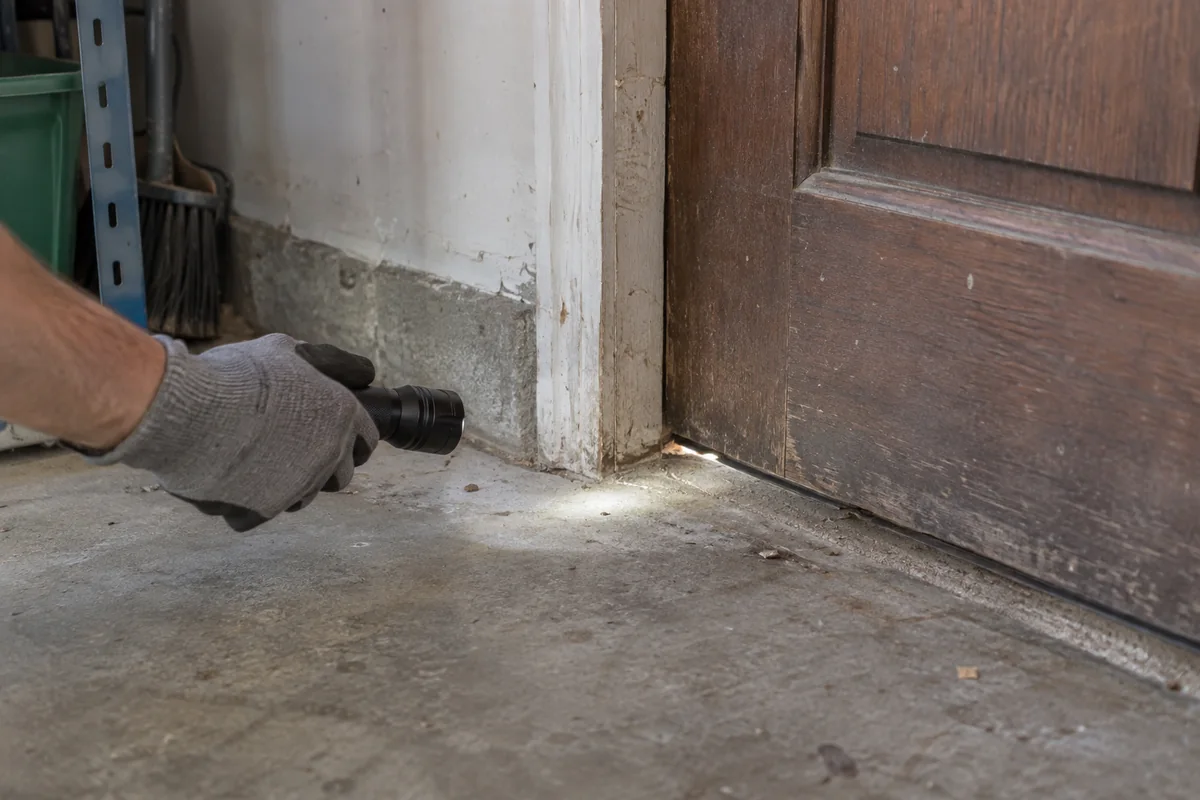
Homes with an attached garage have one more route. Mice that get past a worn garage door seal can climb into the shared wall between the garage and the house, then follow it up to the attic. Sealing the garage door and the door into the house closes that path.
What you can do today
- Note which walls you hear noises in and what time of night.
- Check under the kitchen and bathroom sinks for gaps around pipes.
- Pull out the stove and fridge and look for droppings along the wall.
- Do not use poison bait for mice inside walls.
- Keep food in sealed containers so mice have less reason to come out.
Questions to ask when you call
Your call is connected with an independent provider. These questions help you get clear answers before anyone comes out.
- How will you find where they get into the wall?
- Will you need to cut into any drywall?
- Will you check the crawl space, basement or attic too?
- Do you seal gaps under sinks and behind appliances?
- What happens if one dies inside the wall?
Call to confirm service at your address. Prices, schedules and any guarantee come from the provider, so ask for the details on the call.
Mice in Walls Removal questions from Wichita callers
Is it mice or something bigger in my walls?
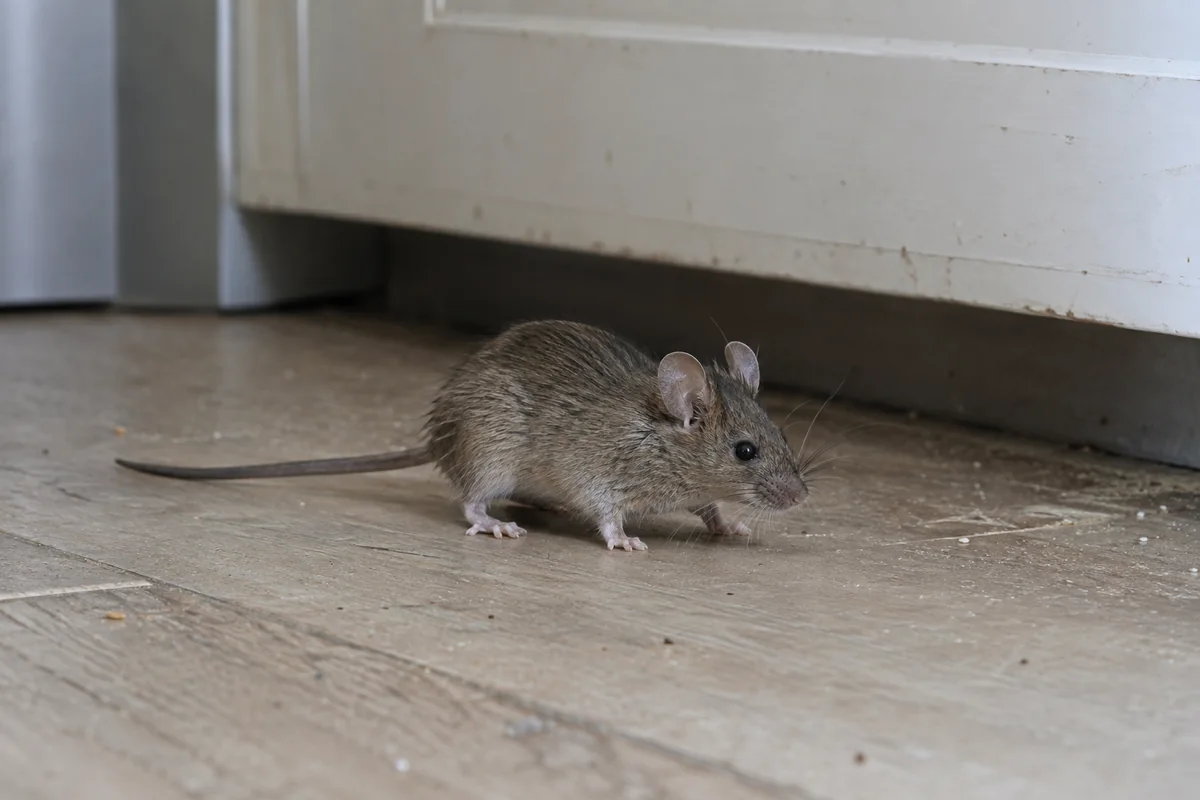
Mice make light, quick scratching and scurrying mostly at night. Rats sound heavier. Squirrels are mostly active in the daytime and tend to be in the attic.
Will the mice leave on their own?
Not usually. Walls give them shelter close to food. They stay until they are trapped and the gaps are closed.
Do I need to open the wall?
Rarely. Most wall problems are handled by trapping where mice come out and sealing the entry points.
Can mice in walls cause a fire?
Mice chew, and chewed wiring can be a fire risk. If you hear chewing near an outlet or switch, have an electrician look.
How long until the noises stop?
Many homes notice a drop within one to three weeks after traps go in and gaps are sealed.
Related services
Mouse Control
Small droppings in drawers, chewed food boxes or light scratching in the walls. Learn why trapping works best with sealing.
Rodent Exclusion
Closing the gaps rats and mice use to get in. Common spots, the right materials and how sealing fits with trapping.
Dead Rodent Removal
A smell that gets worse each day. How the source gets found and removed, and what helps the odor fade.
Related reading
Areas around Wichita
Calls come from Wichita neighborhoods and nearby cities such as Derby, Andover, Bel Aire, Haysville and Maize. See the service areas page for local property checks, and call to confirm service at your address.