Rodent Inspection in Wichita, KS
A top-to-bottom check for droppings, nests, burrows and entry points, so you know what you have before anyone sets a trap.
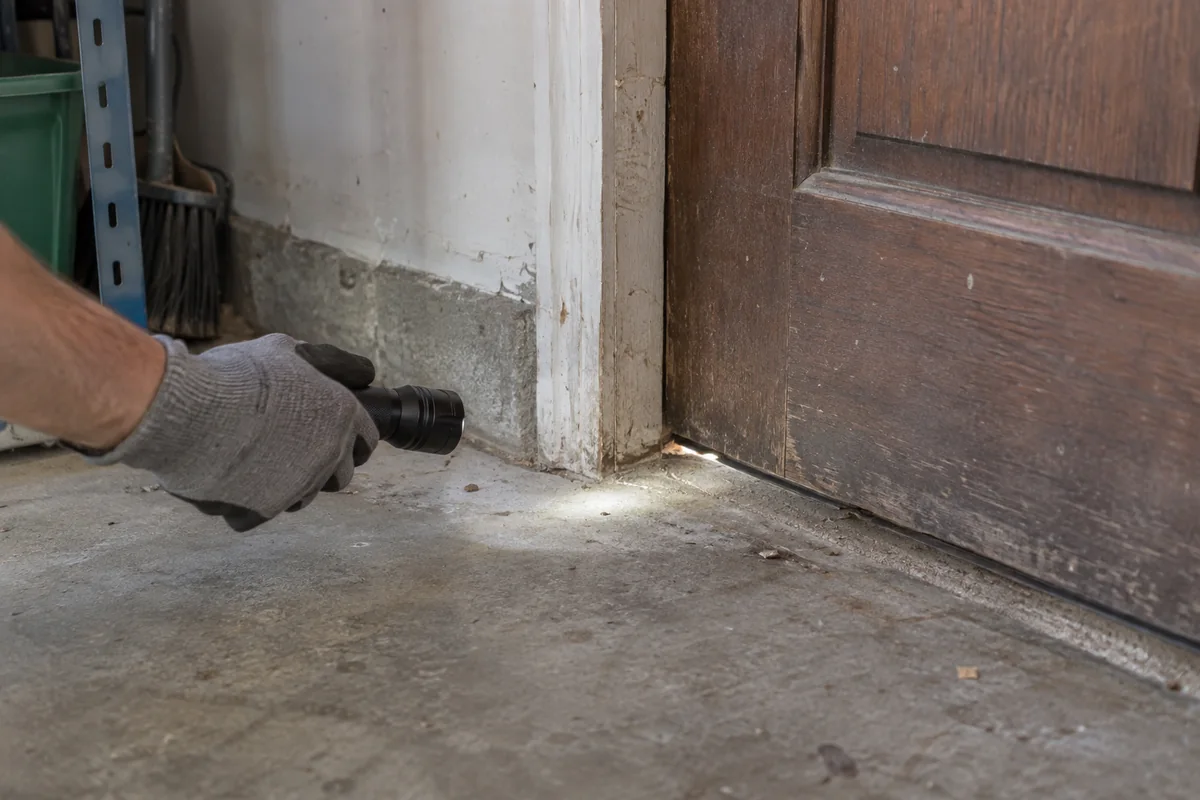
A rodent inspection answers three questions before any work starts: what kind of rodent you have, where it lives and travels, and how it gets in. Without those answers, traps and bait are guesswork.
A good inspection in a Wichita home covers the attic, the crawl space or basement, the garage, the kitchen and laundry, and the outside of the house from the foundation to the roof edge. In the yard, the technician looks for burrows, runways along fences and anything that feeds or shelters rodents.
Some people need an inspection without an active problem: before buying an older house, after a tenant moves out, or after storm repairs to the roof or siding. An inspection is also the start of almost every rat control or mouse control job.
Urgent rodent help: if a rodent is loose in your living space, say so on the call. The technician may combine the inspection with removal.
What a thorough job includes
- Species and size of the problemDroppings, tracks and gnawing tell the technician whether it is rats, house mice or deer mice, and roughly how active they are.
- Every level of the houseAttic insulation, crawl space or basement, the garage, kitchen cabinets, the laundry and utility closets.
- Outside from ground to roofFoundation, vents, AC line sets, garage door seals, eaves, soffits and roof-to-wall joints.
- Yard and outbuildingsBurrows along fences and slabs, woodpiles, sheds, compost, bird feeders and pet food storage.
- A written reportA list or photos of what was found and what the technician recommends, with prices for each part.
How it usually goes, step by step
- Walk-through with you. You point out what you have seen and heard, and when. That helps narrow the search.
- Interior check. The technician checks under sinks, behind appliances, in the attic and in the crawl space or basement with a flashlight.
- Exterior check. The technician circles the house and garage, marking gaps, chewed edges and burrows.
- Findings. You get a plain explanation of what was found, how serious it looks and what it will take to fix.
- Quote. If treatment or sealing is needed, you get a written price before any work starts.
What Wichita inspections tend to turn up
In Wichita, inspectors often find mouse activity in attic insulation near the eaves, along sill plates in basements and crawl spaces, and behind the stove and dishwasher. Rat activity tends to show up as burrows under slabs, sheds and dog runs, and droppings along garage walls.
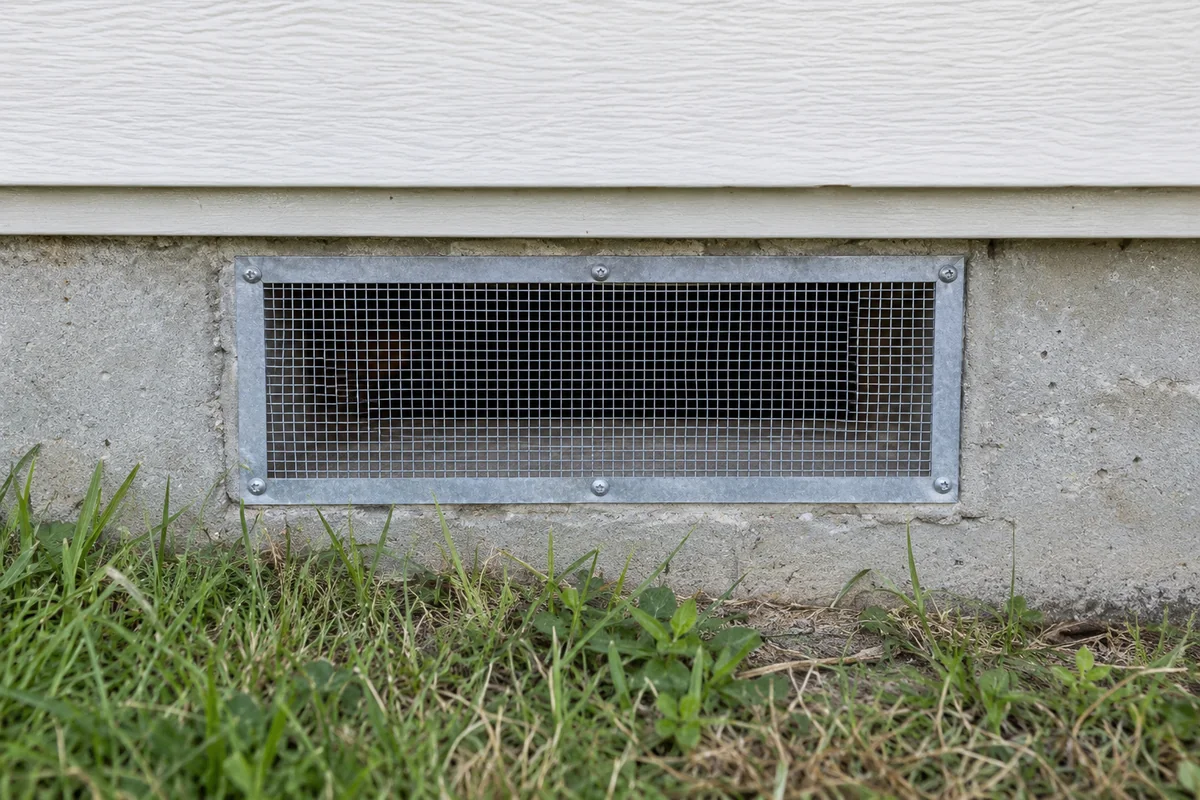
Older neighborhoods bring old basement windows, coal chutes and stone foundations with loose mortar. Ranch homes from the 1950s and 1960s bring crawl spaces with torn vent screens and loose access doors. Newer homes on the edge of town bring worn garage door seals and gaps at AC lines.
If you are buying a house, a general home inspection may note droppings, but it is not a rodent inspection. Ask whether one is part of the deal, or schedule your own.
What you can do today
- Write down where and when you saw droppings, heard noises or found chewing.
- Take photos of droppings next to a coin for scale before you clean them up.
- Clear a path to the attic hatch, crawl-space door and garage walls.
- Do not clean every dropping before the visit. Fresh signs help the technician.
- Do not sweep or vacuum droppings. Wear rubber or plastic gloves, soak the waste with disinfectant or a fresh bleach solution and let it sit for 5 minutes or the label time before wiping it up.
Questions to ask when you call
Your call is connected with an independent provider. These questions help you get clear answers before anyone comes out.
- Is there a charge for the inspection, and is it credited toward treatment?
- Will you check the attic, crawl space and garage as well as the kitchen?
- Will I get a written report or photos?
- Can you tell what kind of rodent it is?
- What do you recommend, and what will each part cost?
Call to confirm service at your address. Prices, schedules and any guarantee come from the provider, so ask for the details on the call.
Rodent Inspection questions from Wichita callers
How much does a rodent inspection cost?
National cost guides list rodent inspections at roughly $75 to $200, and some providers credit the fee toward treatment. Ask the provider before the visit.
How long does an inspection take?
Most homes take about an hour. Larger homes, homes with outbuildings and homes with hard-to-reach crawl spaces take longer.
Do I need an inspection if I already know I have mice?
Yes. Knowing you have mice is different from knowing where they get in. The inspection finds the gaps that need sealing.
Should I get a rodent inspection before buying a house?
It can be worth it for older homes, homes that sat empty and homes on the edge of farmland. A general home inspection does not always look closely for rodents.
What if the inspection finds nothing?
That is useful too. The technician may still point out gaps or conditions that could invite rodents later.
Related services
Rodent Exclusion
Closing the gaps rats and mice use to get in. Common spots, the right materials and how sealing fits with trapping.
Rodent Monitoring Plans
Scheduled visits to check stations, traps and seals, so a new problem gets caught early.
Attic and Crawl Space Cleanup
Soiled insulation, nests and droppings in the spaces you rarely see. What cleanup involves and how to keep rodents out after.
Related reading
Areas around Wichita
Calls come from Wichita neighborhoods and nearby cities such as Derby, Andover, Bel Aire, Haysville and Maize. See the service areas page for local property checks, and call to confirm service at your address.