The Best Rat and Mouse Traps and How to Use Them
Snap traps sized for the animal, set along walls with the bait end touching the wall, are what the CDC recommends. Here is how to choose and place them.
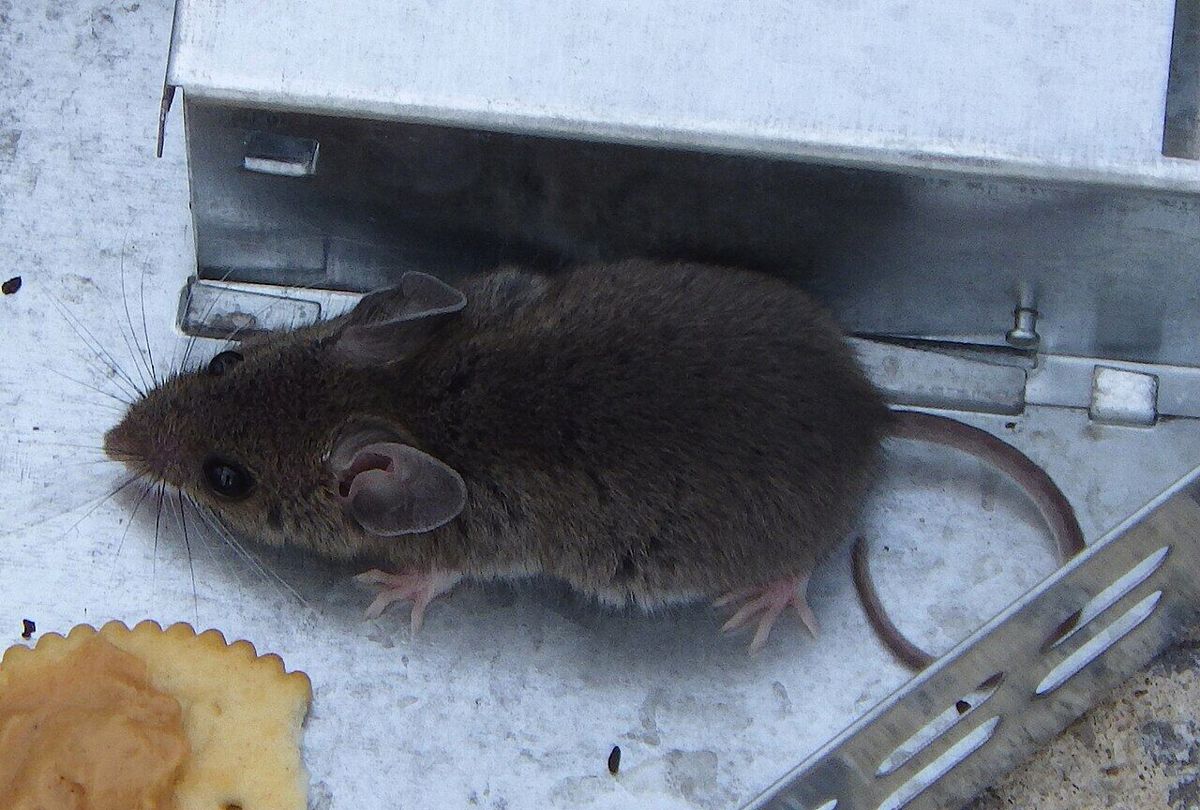
For most homes, the best rat and mouse traps are plain snap traps sized for the animal you have, set along walls where you see droppings, with the bait end touching the wall. The CDC recommends traditional snap traps to reduce rodent populations around the home and advises against glue traps and live traps.
What matters more than the brand is the size, the placement, the number of traps and checking them every day. Here is how to get that right.
Snap traps
Snap traps are cheap, fast and effective. Use:
- Mouse-size snap traps for mice
- Rat-size snap traps for rats, which are much larger and stronger
Plastic snap traps with a wide trigger are easier to set than old wooden ones. Enclosed snap traps, where the trap sits inside a covered box, are a good choice where kids or pets might reach them.
Use more traps than you think you need. Several traps along one wall work better than one trap in the middle of the floor.
Why not glue traps or live traps
The CDC advises against glue traps and live traps. A rodent caught alive in either is frightened and may urinate, which raises the risk of spreading germs to whoever handles the trap.
Glue traps also catch non-target animals and cause a slow death. Live traps leave you with a live rodent to deal with, and releasing it nearby usually means it comes back.
Where to place traps
Rodents run along edges. Following CDC guidance:
- Set traps on the floor along a wall, with the bait end touching the wall so trap and wall form a T
- Put traps where you have seen droppings, rub marks or gnawing
- Use enclosed spaces like under sinks, behind appliances and in closets
- Place traps near likely entry points, like where pipes come through the wall
For rats in a garage, set traps along the walls behind shelves and near burrows outside, covered with a box or board so pets cannot reach them.
Want a local rodent technician to look at it? Call to reach an independent provider serving Wichita. Same-day appointments are often available.
Baits that work
The CDC suggests a small amount of chunky peanut butter or mutton fat on the bait pan. Other baits people use include nesting material like a cotton ball for mice in cold weather, or a bit of whatever the rodents have been eating, such as birdseed.
Use a small amount. A big glob lets rodents eat without setting off the trap. Wear gloves when baiting so you do not leave a strong human scent on the trap.
Common mistakes
- Too few traps. One or two traps rarely keep up with a mouse problem.
- Traps in the open. Rodents avoid open floors. Keep traps along walls.
- Rat traps for mice or mouse traps for rats. Match the size to the animal.
- Not checking daily. The CDC says to check traps every day and remove dead rodents right away.
- Stopping too soon. Keep traps set until activity stops.
- Skipping sealing. Trapping without sealing lets new rodents in through the same gaps.
When trapping is not keeping up, see mouse control or rat control.
Want a local rodent technician to look at it? Call to reach an independent provider serving Wichita. Same-day appointments are often available.
Trapping rats outdoors in a Wichita yard
Outdoor rat traps need protection from pets, birds and kids. Set rat-size snap traps inside a sturdy box, a length of pipe or under a board leaned against the wall, along fences and next to burrows. Rats feel safe in tight spaces, so a covered trap often works better than one left in the open.
Check outdoor traps every morning. In summer, a trapped rat left in the sun draws flies fast.
Where bait stations fit
The CDC lists poison and bait stations as tools for persistent infestations. EPA rules require consumer rodent baits to be sold with bait stations and in block or paste form, and the strongest anticoagulants are limited to professionals.
Indoors, traps are usually the better choice because poisoned rodents can die inside walls. Outdoors, locked stations along walls can help with rats, placed where kids, pets and wildlife cannot reach them.
Questions Wichita readers ask
What is the best bait for a mouse trap?
The CDC suggests a small amount of chunky peanut butter. Use a pea-size amount so the mouse has to work at it and trips the trap.
How many traps should I set?
More than you think. Several traps along each wall where you see activity work better than one or two.
Are glue traps a good idea?
The CDC advises against glue traps and live traps because trapped rodents may urinate and spread germs.
How do I keep traps away from my dog?
Use enclosed snap traps, or put traps inside a box with small openings at each end, placed behind furniture or appliances.
Sources
This page is general information, not legal or medical advice. Rules change, so check the linked sources for the current version.
Keep reading
Do Rodent Repellents Work? Peppermint, Ultrasonic and More
Repellents may make a spot less pleasant for a while, but none reliably keep mice or rats out. Removing food, trapping and sealing gaps work better.
How to Get Rid of Rats in Wichita
Wichita rats are Norway rats that burrow near the house. Getting rid of them means taking away food and cover, trapping along their runways and sealing the gaps they use.
Mice in the Walls: How to Tell and How to Get Them Out
Light scratching and scurrying inside walls at night usually means mice. They get in where pipes and wires pass through, and they come out to feed. Trap at those exits, then seal.