Rodent Diseases in Kansas: Hantavirus, Leptospirosis and Rat-Bite Fever
Hantavirus is present in Kansas but rare, with 0 to 2 cases a year. Leptospirosis and rat-bite fever also come from rodents. Safe cleanup and quick medical care are the main defenses.
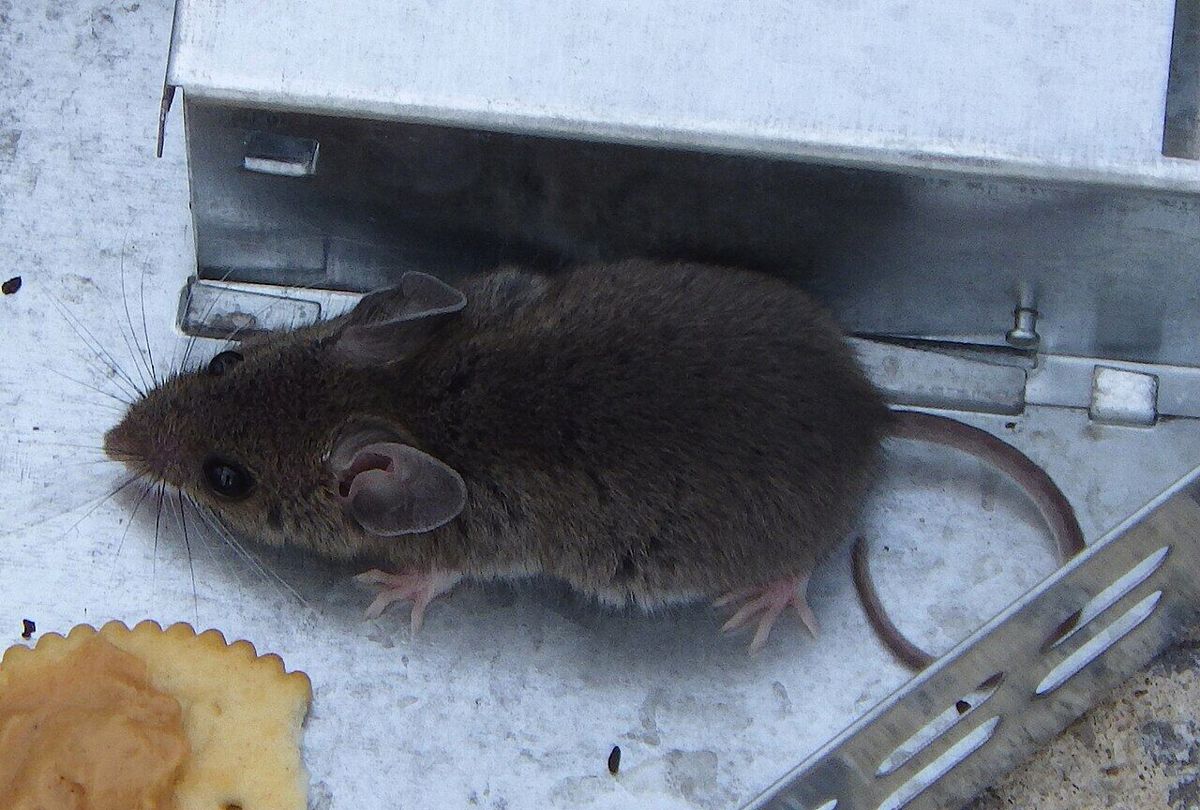
Rats and mice can spread several illnesses to people. The ones most worth knowing about in Kansas are hantavirus, carried mainly by deer mice; leptospirosis, spread through the urine of infected animals including rodents; and rat-bite fever, spread through bites, scratches and contact with rodent saliva or urine.
None of these are common. The Kansas Department of Health and Environment reports 0 to 2 hantavirus cases a year in Kansas. But they can be serious, and the precautions are simple. This article covers each one and how to protect your household. It is general information, not medical advice.
Hantavirus
The CDC says the deer mouse is the most common carrier of the hantavirus that causes hantavirus pulmonary syndrome in the United States. People get infected mainly through contact with rodent urine, droppings and saliva, often by breathing in particles stirred up while cleaning. Bites and scratches can spread it too, but the CDC calls that rare.
Symptoms usually appear 1 to 8 weeks after contact. The CDC says about 38 percent of people who develop respiratory symptoms may die.
In Kansas, KDHE's May 2026 health alert says the Sin Nombre virus is endemic, cases are sporadic at 0 to 2 a year, and exposure is mainly in the western half of the state. KDHE also notes infections happen year-round but peak in spring and summer.
Where hantavirus risk is higher around Wichita
Deer mice live in fields, fence rows and woodlots, and they move into outbuildings. Around Wichita, that means the places to be careful are:
- Sheds, barns and detached garages on rural lots around Valley Center, Maize, Goddard, Andover and Haysville
- Cabins, campers and RVs that sit closed for months
- Stored equipment and vehicles
- Any closed building with heavy droppings and nests
Before cleaning, open doors and windows for 30 minutes and leave the area. Then wear gloves, soak droppings and nests with disinfectant, wait 5 minutes and wipe up. Never sweep or vacuum. For vehicles, the CDC says to air them out for 20 minutes.
Want a local rodent technician to look at it? Call to reach an independent provider serving Wichita. Same-day appointments are often available.
Leptospirosis
Leptospirosis is a bacterial disease that infected animals shed in their urine. The CDC lists rodents such as rats and mice among the animals that carry it, along with livestock, dogs and wildlife. The bacteria can survive in water or soil for weeks to months.
People usually get infected through contact with contaminated water or soil, contact with an infected animal's body fluids, or eating or drinking something contaminated by animal urine. Risk rises after floods and heavy rain. Symptoms can include fever, muscle aches, headache, vomiting and red eyes, usually 2 to 30 days after exposure. Antibiotics work best when started early.
Around Wichita, avoid wading in floodwater after heavy storms, wear waterproof boots when cleaning up after flooding and cover cuts.
Rat-bite fever
Rat-bite fever is caused by bacteria that live naturally in rodents such as rats and mice, which show no signs of illness. The CDC says it spreads through bites or scratches, contact with rodent saliva or urine, and eating or drinking contaminated food or water.
Symptoms usually start 3 to 10 days after contact and can show up as late as 21 days, by which time a bite may have healed. In North America, symptoms include fever, vomiting, headache and muscle pain, often with joint pain and a rash on the hands and feet. Antibiotics cure it when started early.
If a rat or mouse bites or scratches you, wash the wound and call a doctor, and mention the rodent contact.
Everyday precautions
- Never sweep or vacuum droppings, urine or nests
- Wear gloves and soak waste with disinfectant before wiping it up
- Throw away food that rodents may have touched
- Do not handle live or dead rodents with bare hands
- Keep pet food and water covered, since pets can pick up leptospirosis too
- Get rodents out and seal the gaps, so exposure does not keep happening
For heavy contamination, professional droppings cleanup is an option. For the rodents themselves, see mouse control or rat control.
Want a local rodent technician to look at it? Call to reach an independent provider serving Wichita. Same-day appointments are often available.
Questions Wichita readers ask
How common is hantavirus in Kansas?
KDHE reports Kansas sees 0 to 2 hantavirus cases a year, mostly from exposure in the western half of the state.
Do house mice carry hantavirus?
The CDC names the deer mouse as the most common carrier in the United States. Treat all rodent droppings with care, but deer mice are the main concern.
Can my dog get sick from rodents?
Dogs can get leptospirosis, which the CDC says rodents and other animals carry. Ask your veterinarian about vaccination.
What should I do if a rat bites me?
Wash the wound with soap and water and call a doctor. Mention the rodent contact, since rat-bite fever is treated with antibiotics.
Sources
- CDC: About Hantavirus
- KDHE: Kansas Health Alert Network update on hantavirus, May 2026
- CDC: About Leptospirosis
- CDC: About Rat-bite Fever
- CDC: How to Clean Up After Rodents
This page is general information, not legal or medical advice. Rules change, so check the linked sources for the current version.
Keep reading
Mouse Droppings: What They Look Like and How to Clean Them Up
Mouse droppings are 1/8 to 1/4 inch long, like a grain of rice with pointed ends. Here is how to identify them, read what they mean and clean them up without sweeping.
Rat Droppings: How to Identify Them and What to Do
Rat droppings are about 1/2 to 3/4 inch long with blunt ends. Here is how to tell them from mouse droppings, judge whether they are fresh and clean them up safely.
Seasonal Rodent Problems in Wichita: A Year-Round Guide
Fall brings field mice in from the harvest. Winter keeps them in garages and walls. Spring brings burrows and nests. Summer is the time to seal. Here is what to do each season.